"Can orthodontic treatment make your face appear slimmer?" Many beauty lovers often wonder about the potential changes in their facial appearance before and after getting braces. Some may even request tooth extraction specifically to address issues like protruding mouths or wide faces. However, it's essential to note that braces are not a cosmetic procedure. Dentists do not approach the issue with cosmetic goals in mind. Instead, they assess each individual's unique dental condition to create a personalized orthodontic treatment plan. So, what kinds of changes can you generally expect before and after braces? Home Dental will explain this to you one by one below.
Will there be a significant difference in face shape before and after orthodontic treatment?
Many people are curious about whether orthodontic treatment can alter the shape of the face. The answer is "it varies from person to person," depending on whether the issue is related to teeth or jawbone.
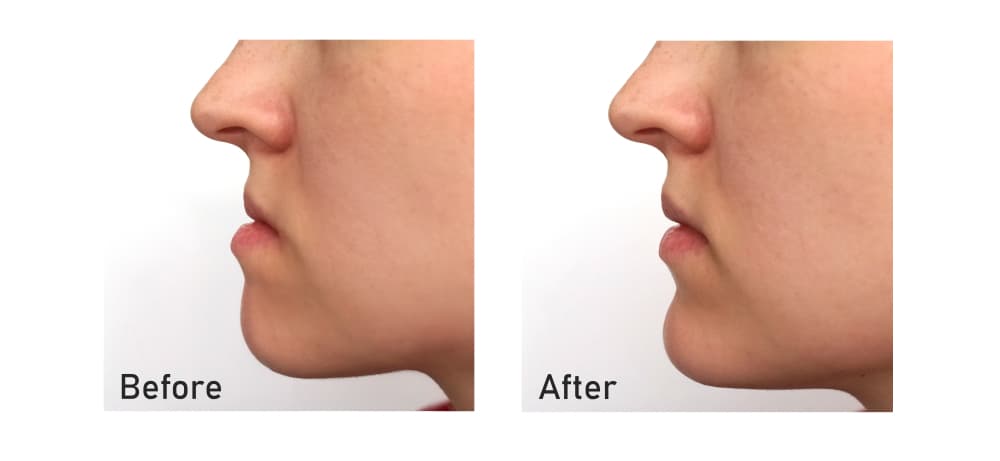
If it's a case of 'buck teeth' or 'protruding teeth,' where the angle of the teeth is excessively slanted, in this case, braces can be used to gradually realign the teeth. This can lead to a noticeable improvement in the patient's facial appearance. The change in tooth angles corresponds roughly to a 3-to-1 ratio with lip adjustment. In other words, for every 3 mm of tooth adjustment, the lips move inward by about 1 mm. If the tooth angles are severely misaligned, the difference in facial appearance after orthodontic treatment can be quite significant.
However, when the issue is related to the jawbone, orthodontic treatment alone may not have a substantial impact on improving facial shape.
Here are some before-and-after pictures illustrating facial changes following orthodontic treatment for your reference:

Why can orthodontic treatment change facial shape?
There are various types of orthodontic appliances available nowadays, including traditional metal braces, ceramic braces, invisible aligners, and more. They all work by applying pressure to the teeth, continuously adjusting the angles and positions of the teeth through external force. This addresses issues such as malocclusion, excessive gaps between teeth, misalignment and other problem, resulting in a more symmetrical and balanced facial appearance.
Facial shape is altered mainly by retracting the front teeth. As the front teeth are repositioned, there is a slight reduction in the alveolar bone. Consequently, the upper lip moves inward, creating a noticeable difference in the patient's facial appearance before and after orthodontic treatment.
On the other hand, the process of orthodontics may lead to certain changes in a patient's dietary habits. For example, there may be a reduction in food intake and a decrease in the force of chewing, which can result in a reduction in the size of the masticatory muscles, thus contributing to changes in facial shape.
However, it's important to understand that orthodontic treatment cannot completely alter the overall shape and contour of the face, as this involves bone and muscle structures that can't be easily altered through force alone. Furthermore, the impact of orthodontics on facial shape depends on various factors, including but not limited to the patient's teeth alignment, the growth pattern of teeth, compliance with treatment, the duration of the treatment, and more. Therefore, in the vast majority of cases, the effect of orthodontic treatment on facial shape is subtle and varies from person to person.
Can Orthodontic Treatment Improve Mouth Protrusion?
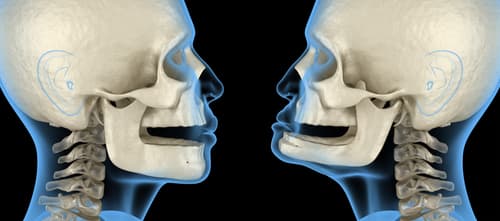
Mouth protruding means that the patient's lower jaw protrudes forward, leading to malocclusion and misalignment of the upper and lower teeth, which can affect the appearance in mild cases, or affect pronunciation or even breathing in severe cases. It needs to be taken seriously.
Common causes of mouth protrusion include:
1. Abnormal bone structure: excessive mandibular angle, long or short mandible.
2. Malocclusion: Crowded teeth, excessive gaps between teeth, misaligned upper and lower teeth.
3. Abnormal muscle growth: long-term tension or hypertrophy of facial muscles.
4. Bad chewing habits: Prolonged chewing of hard food, such as chewing gum, hard nuts, etc.
Orthodontic treatment can improve mouth protrusion by correcting the alignment of the upper and lower teeth, and gradually adjusting the position and occlusal relationship of the teeth. Depending on the severity of the mouth protrusion, patients may require braces for a year or even several years. Regular check-ups during this period are essential to ensure that the trajectory of tooth movement aligns with the original plan.
In cases of severe mouth protrusion, the dentist may recommend surgical orthopedic correction. This procedure involves repositioning the severely displaced mandible or teeth to their correct positions, thereby improving the protruding mouth. This treatment is more complex than traditional braces but provides more noticeable results.
If you are bothered by a protruding mouth, it is advisable to make an appointment with a professional dentist for an initial assessment to discuss the most suitable treatment options.
Is it a must to do teeth extraction in orthodontic treatment?
While tooth extraction may enhance the contrast in facial shape before and after orthodontic treatment, not all individuals undergoing orthodontic treatment require tooth extraction.
Before undergoing orthodontic treatment, the dentist will conduct a comprehensive oral examination and assessment for the patient. They will evaluate multiple factors such as tooth alignment, the space between the upper and lower jaws, and the expected impact of the treatment to determine whether tooth extraction is necessary.
In general, teeth extraction is suitable for the following individuals:
1. Severe crowding of teeth:
If a patient’s teeth are overly crowded, the dentist may recommend extracting a certain number of teeth to create more space, making the progress of orthodontic treatment more ideal; or
2. Insufficient space between the upper and lower jaws:
If a patient’s jaws are underdeveloped and the distance between the upper and lower jaws is very narrow, the dentist will suggest tooth extraction to widen the space between the upper and lower jaws, thereby correcting misalignment issues.
Why is there almost no difference before and after orthodontic treatment in some patients?
It should be noted that if your ultimate goal is to change the shape of your face, orthodontic treatment may not be the most suitable treatment for you.
Orthodontics is used to straighten teeth and improve occlusal problems. At best, they can only correct teeth and gums, rather than reshape the width of facial bones. In layman's terms, orthodontic treatment cannot change your face from a square shape to an oval shape, and it is unlikely to make your face appear more three-dimensional. This also explains why most people have almost the same face shape before and after orthodontics.
To reiterate, the purpose of orthodontic treatment is not cosmetic, but to correct teeth and occlusal problems, thereby reducing the risk of oral diseases such as tooth decay, periodontal disease, gum recession, etc. If you are aim for facial changes, you may need to explore other treatment options beyond orthodontic treatment.
Worried about the unsatisfactory effect of orthodontic treatment?
Orthodontic treatment is a lengthy process, and both dentists and patients need sufficient time and patience, as well as close communication, in order to obtain the desired results.
Before getting your teeth braced, you can make an appointment with a professional dentist for consultation. You can ask common questions such as the time required for the treatment and whether tooth extraction is required during the process. Make sure you understand the information about the treatment before making a decision.
The dentist's experience in orthodontics significantly influences the formulation of the entire treatment plan. Patients need to follow the dentist's instructions for regular follow-up visits. In case of unexpected situations, such as the teeth not aligning as anticipated, immediate corrections are required to prevent progression not ideal or with some complications.
With the advancement of medical technology, many dental clinics now use 3D scanning equipment to help patients preview the expected effect of orthodontics. In this way, you can have a clearer understanding of the comparison before and after treatment, and the dentist can also work with you to formulate the most suitable plan with the aid of the images.
Once you decide to start orthodontic treatment, it is important to maintain good oral hygiene at all times and follow your dentist's recommendations. If you have any discomfort or doubts, you must inform your primary dentist as soon as possible to ensure that the treatment work as expected.