Teeth are an important facade. If you have a row of white and beautiful teeth, you will definitely be able to add a lot of points to your personal image. Once a tooth is unfortunately missing or broken, you might find yourself in a dilemma between implants and bridges. Wondering whether implants or bridges are the right choice for you? This article provides a detailed explanation of the sequelae of dental implants, their life expectancy and related government dental services.
What is a dental implant?
Dental implants are a dental procedure designed to restore a missing or fractured tooth, returning the patient's dentition to its intact state.
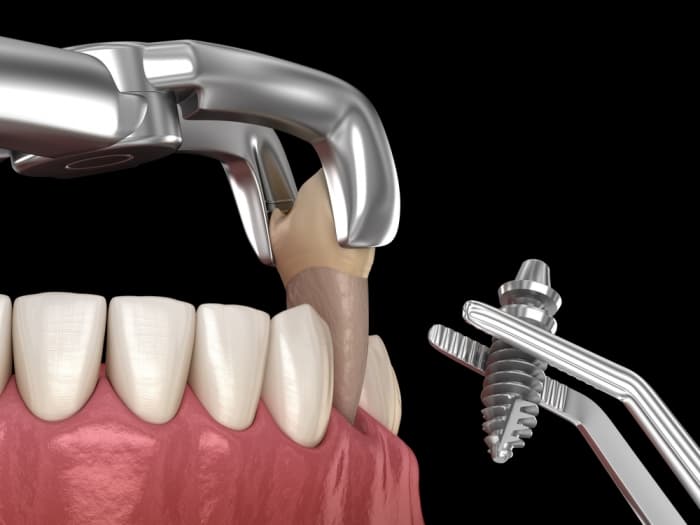
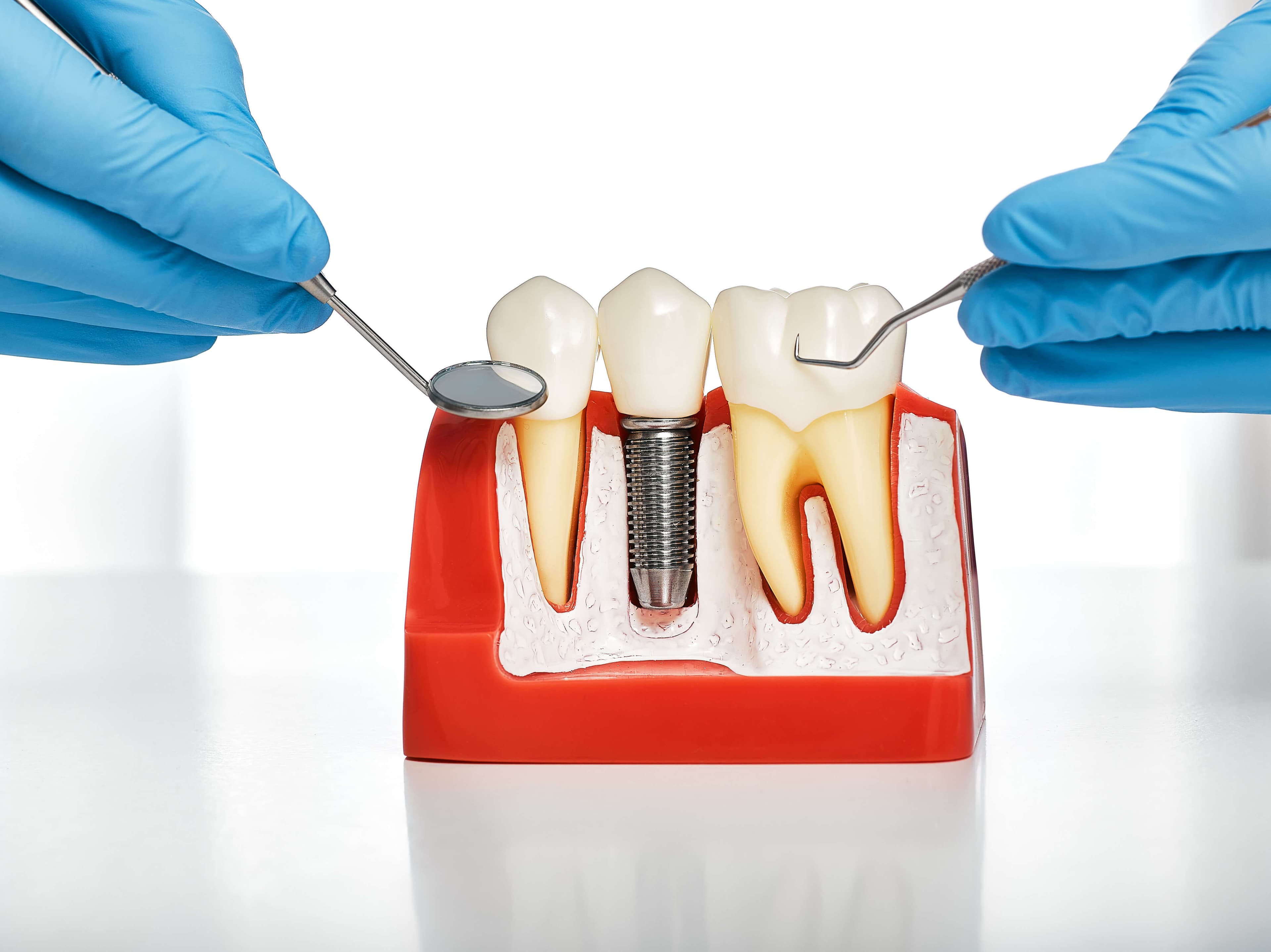
In the process of implantation, the dentist will place an implant fixture made of titanium into the patient's alveolar bone. This material can be tightly bonded to the surrounding bone and is stronger than a natural tooth root.
What is the difference between dental implants and bridges?
Bridges and implants are two common types of fixed prosthetic teeth used to replace missing teeth.
A dental bridge, as the name suggests, is a treatment method that addresses the space resulting from missing teeth by creating a bridge between adjacent teeth. Dental bridges resemble crowns, and can be directly affixed to the adjacent teeth's surface using adhesives, without the need for surgery.
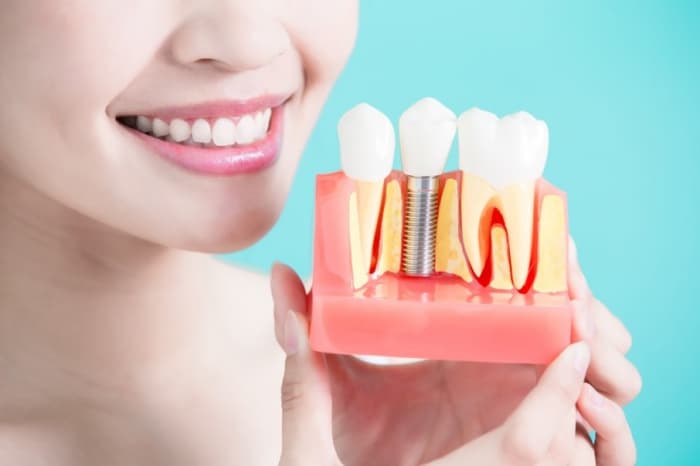
On the other hand, dental implants do not rely on adjacent teeth like bridges do. Instead, implants are inserted directly into the empty space. They can be used independently or in combination with a bridge for restoration, but surgery is required, and the recovery time is also longer.
In summary, the differences between implants and bridges are as follows:
| Bridges | Implants | |
| Price | Relatively fair pricing | More expensive |
| Applicable condition | Sufficient support of healthy teeth around missing teeth | Healthy alveolar bone and teeth tissue |
| Pros |
|
|
| Cons |
|
|
What are the sequelae of dental implants?
Dental implants are a relatively safe dental treatment, but there may still be some sequelae . Here are four possible sequelae:
1. Infection
Dental implant surgery may cause oral infections, which, if left untreated, could seriously affect the success rate of future dental implants.
2. Receding gums
If the dental implant fails to integrate with the surrounding bone, it may lead to gum recession.
3. Artificial root fracture
If the dental implant is overloaded, or if a mistake is made during the procedure, the artificial tooth root may break and require a new procedure.
4. Nerve or tissue damage
Dental implants may affect peripheral nerves and tissues, leading to a loss of sensation or numbness in patients, requiring timely treatment.
To avoid the aforementioned sequelae of dental implants, it is recommended that you choose an experienced dentist for treatment. Additionally, after completing the dental implant surgery, you need to follow the guidance of the medical team to undergo regular oral examinations and maintain dental health.
How long do dental implants last?
The lifespan of dental implants largely depends on the patient's usage and the dentist's skill. Generally, 90% to 95% of dental implants last for 10 years or more.
If properly maintained, implant screws (artificial tooth roots) can last a lifetime without replacement. As for the implant crown, there is a possibility that it may become strained due to frequent use, and it might need to be replaced every 10 to 15 years.
How is the dental implant process? How long will it take?
Currently, the dental implant process can be broadly categorized into traditional and minimally invasive approaches, and the time required for each varies.
Due to the complex surgical procedure of traditional dental implants, it involves opening the gums and waiting for the wound to heal before placing the implant fixture. As a result, this process takes a longer period, typically ranging from 3 to 6 months.
In addition, the relatively newer minimally invasive dental implants do not necessitate gum incisions. Instead, a small wound is made for the implant placement. This allows for immediate implantation of teeth right after tooth extraction
Is there government funding for dental implants?
At present, government dental clinics solely attend to cases requiring emergency pain relief and tooth extractions. Once urgent needs are attended to, the public is required to seek further treatment from private dentists.
Regarding public hospitals, the Department of Health has specified that public dental services will only provide specialized dental services to hospital patients, eligible transfer patients, or staff members. Not all citizens can access government-funded dental implant services.
If you are concerned about dental implant costs exceeding your budget, consider inquiring about charges and related details before visiting a dentist's office. If you have questions about the charges, seek professional advice from a dentist to determine appropriate treatment.