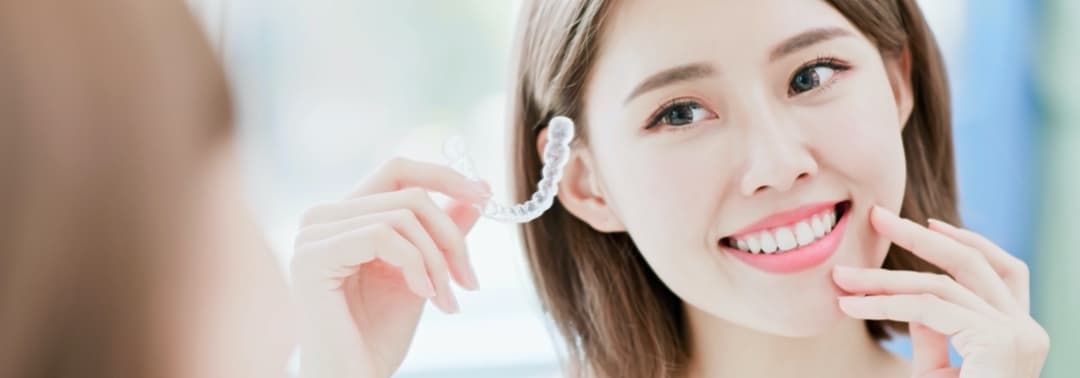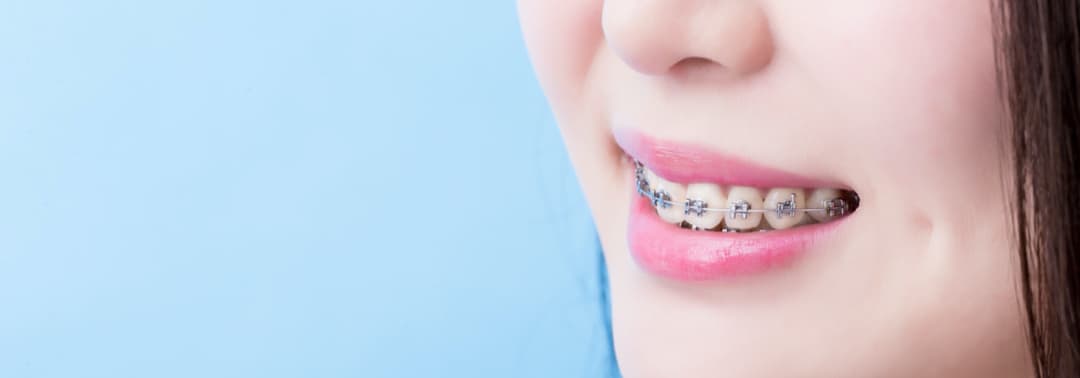
Often when consulting orthodontic treatments (whether it is traditional braces or invisible braces), patients often worry about the need for tooth extraction. They may think that if the teeth are crowded or protruding, must do tooth extraction to cooperate with the orthodontics. Because of the large space after tooth extraction, it usually takes a longer treatment time to align the teeth. In fact, orthodontic with tooth extraction is more suitable for cases that need to reserve more space for the teeth to move. For some cases with mild to moderate adjustments, there is a chance that only need interproximal reduction instead of having tooth extraction.
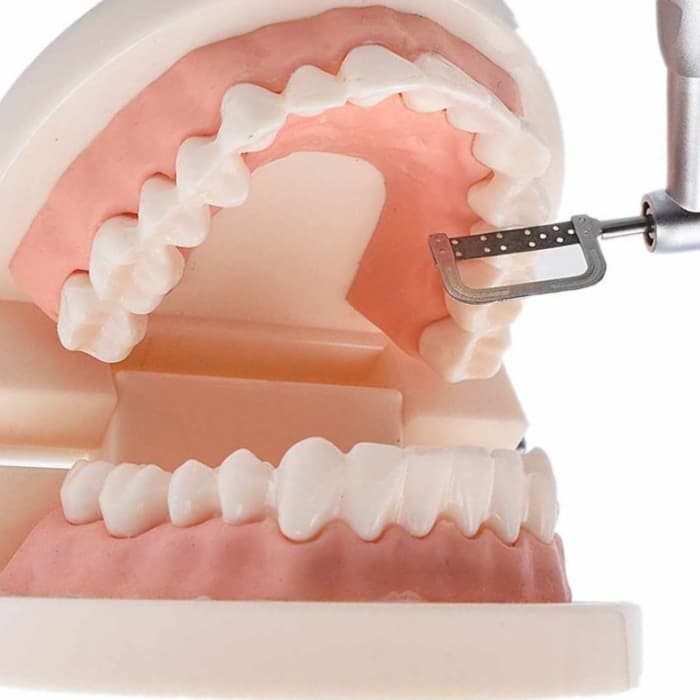
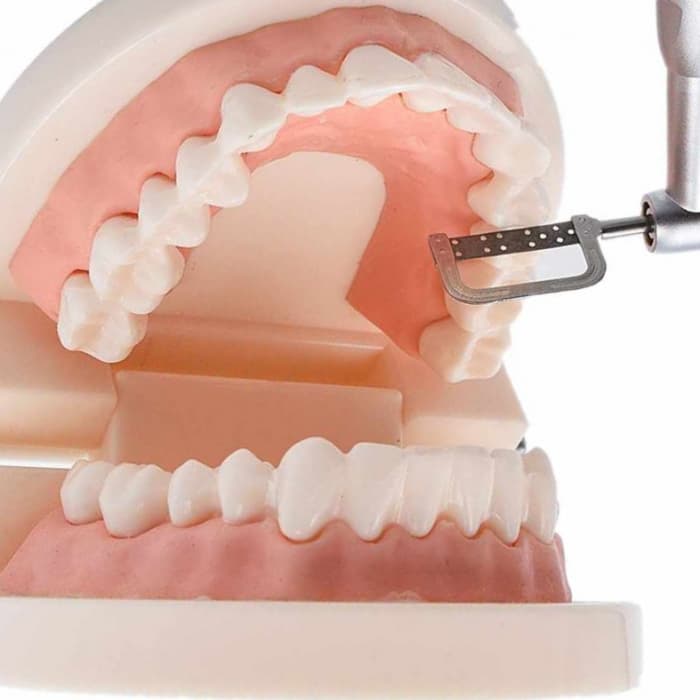
Interproximal reduction (IPR) is a commonly used technique and procedure during treatment of orthodontics. ‘Reduction’ of teeth sounds horrible but the fact that it is not. The enamel of teeth generally has a thickness of about 2.5mm, and the interproximal surfaces of each tooth can only be ground up to 0.5mm on each side. It will not cause too much discomfort or pain during the process of IPR because the outer layer of enamel does not have nerve. The dentist will grind the teeth in different positions to get the space needed to move the teeth. You can imagine the range of IPR is just about the thickness of a dental floss. There is no evidence shows that controlled amount of IPR will increase the risk of tooth decay or periodontal disease so far.
IPR is a very technical treatment procedure, which requires high skills. We need to avoid over-reduction of teeth and to maintain the natural shape of teeth when doing IPR. Some people may be worried that the teeth will have the problem of food trapping after IPR. In fact, this problem can easily occur as the teeth move during the orthodontic process. However, if patient performs good oral hygiene cleaning, use dental floss or interdental brushes, the problem of food trapping will be significantly improved as the teeth gradually become neat.
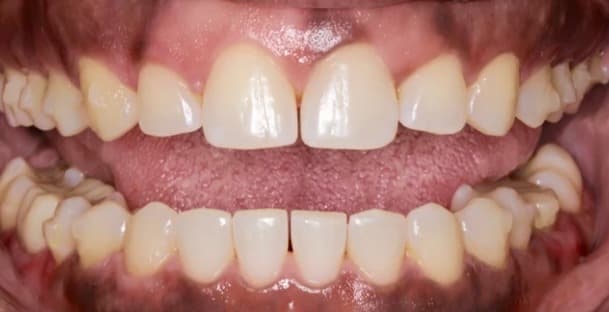
By the way, I have noticed the recent rise in foreign countries to grind their teeth by themselves, such as using nail files to shorten their teeth, or even trying to change the shape of their teeth. Obviously, it is easy to see that these actions will cause great damage to the teeth. In fact, even if a dentist wants to make a dental veneer or crown for a patient, the dentist needs to carefully measure the range of enamel reduction, and then handle each procedure carefully to avoid irreversible damage. After the tooth structure is damaged, it cannot be repaired by itself, so we must always take good care of the teeth and avoid behaviors that damage the teeth, otherwise we will regret it!
#orthodontic #IPR