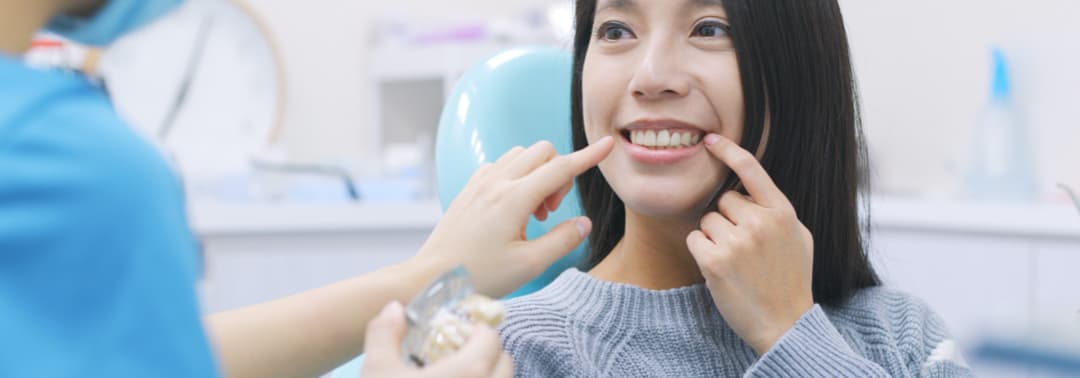
Your teeth play a crucial role in your appearance—not only does it maintain the normal oral function; it also brings beautiful smiles. Not all of us are born to have straight teeth. People with crooked teeth would be less confident when smiling or laughing; what's more, it may also affect facial growth and oral function.
Orthodontic treatment is a popular solution for misaligned teeth, but the price is not low. How to decide if you need it or not? How many methods are available? Is it too late when you're a grown-up? We should learn some facts about orthodontics first, and you'll realize that it's not that difficult to have aligned teeth and confident smiles.
Do I need orthodontics or teeth braces? 3 points to check
Most people think that orthodontic treatment is for those with misaligned teeth that affect their appearances. However, the following conditions for orthodontic treatment are not only about appearances but more about health.
1. Oral and jaw growth
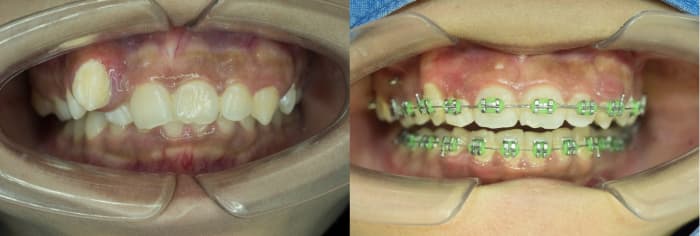
During children's teeth development, interlocking teeth may affect the growth of soft and hard tissue in the mouth, causing the upper and lower jaws to grow abnormally with overbite or underbite.
2. Facial asymmetry
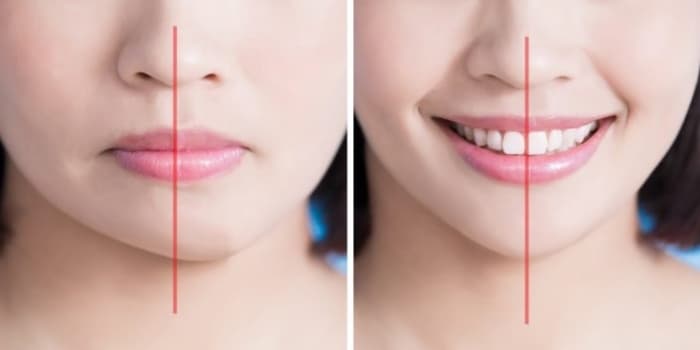
If the mentioned soft and hard tissue development is affected, not only the structure of the jaw will be altered; for those having severe overbite or underbite, the facial growth may also be affected due to the maldevelopment of facial bones.
3. Oral function and health concerns
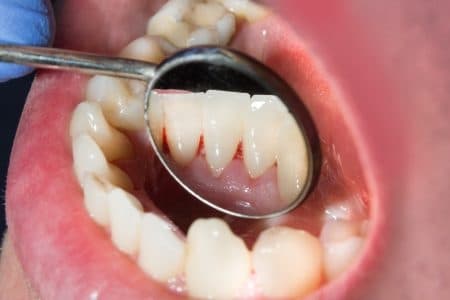
Without proper alignment, the teeth are incorrectly positioned. Overcrowded teeth will post more difficulties in cleaning and thus lead to gingivitis, periodontitis and cavities. Severely misaligned teeth can cause serious problems that interfere with chewing function or closing of the mouth.
Catch the 3 ideal times for orthodontic treatment, but don't worry if you've missed them
In general, the teeth are still developing before the age of 18, so there're 3 ideal periods suitable for orthodontic treatment, including the primary dentition period, tooth transition period and permanent dentition period. If you've missed these three periods, no need to worry too much because orthodontics is basically age-free.
|
Period |
Oral Development |
Advantages |
|
Primary Dentition (about 6 years old) |
The permanent incisors begin to grow. |
If there is abnormal development of the jaw or serious malalignment of the incisors such as underbite, initial treatment may be needed. It's not a formal orthodontic treatment, but a measure to prevent the teeth growth from affecting the alignment and the potential problems it brings to the teeth and other tissues. |
|
Tooth Transition (8 to 12 years old) |
The is a transition time with both primary and permanent teeth during the mixed dentition period, with a fast teeth growth speed. Greater chance of misalignment and crowded teeth. |
Orthodontic treatment at this period can avoid new permanent teeth to be crooked, overbite or underbite, and to prevent maldevelopment due to improper oral habits. It's the best time for prevention and treatment. |
|
Permanent Dentition (12 to 18 years old) |
Most of the primary teeth have been replaced by permanent teeth. |
Maldevelopment will be more obvious than the previous two periods, and the orthodontic treatment will be more confirmed and stable at this stage. |
Pros and cons for orthodontic treatment during adulthood
If you've missed the ideal periods for orthodontic treatment, don't think that the effect must be bad when you do it afterwards. Consider carefully about your situation and it's never too late for having treatments.
Disadvantages for adult orthodontics
Since oral and jaw development has stopped in adulthood, it will be more difficult to alter the teeth alignment through tooth growth, and most of the cases will need to have surgery to improve the teeth and jaw alignment. What's more, for adults who have no regular dental check-ups, be aware of additional oral diseases such as dental caries, periodontitis, gingivitis and tooth loss. Before orthodontics, oral problems must be treated first to keep the mouth in a healthy condition.
Advantages for adult orthodontics
Though we can no longer ride on the growing stage to alter the teeth alignment, there're still advantages for adults to have orthodontics. Compared with young people and kids, adults choose to do it on their own initiative, and it makes a difference when it comes to the maintenance part. After orthodontics, if you don't take care of your oral health, other oral diseases will still occur. Therefore, self-management and maintenance are critical for orthodontic treatment.
Is metal teeth brace the only choice? Other teeth brace options
The majority of orthodontic therapy is delivered by using appliances, and dental brace is the most common practice for orthodontics. Among all, metal braces are typical ones. In fact, there're still many other braces available to choose from.
1. Traditional metal braces
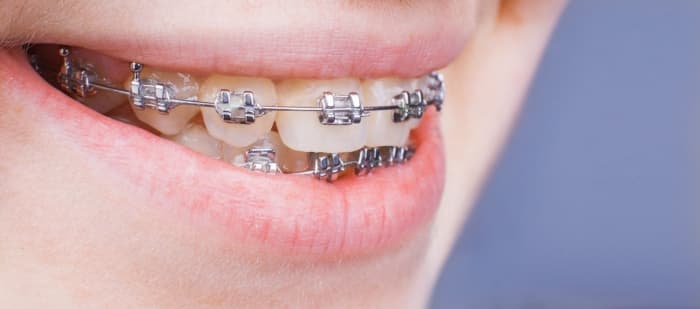
This is the most common brace type for orthodontic treatment. Traditional metal wired braces usually have an O-shaped rubber band (elastics-orthodontics) to increase the force, making the required treatment time shorter, about 1.5 to 2 years.
2. Traditional transparent teeth braces
This brace type is similar to the traditional metal ones, except that they have resin or ceramic brackets, making it less noticeable in appearance.
3. Clear aligners
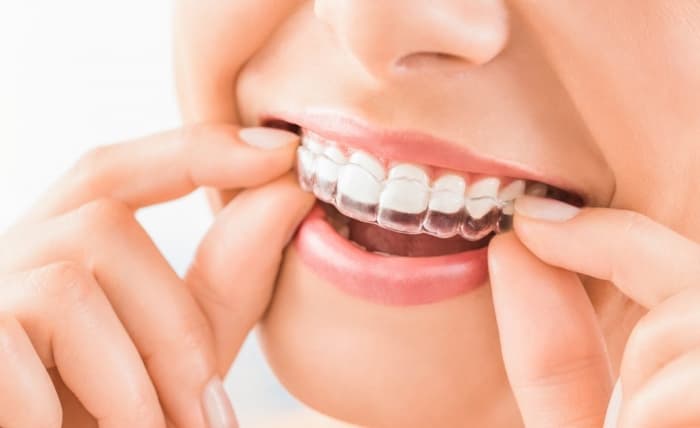
This brace type is tailor-made to the oral condition of each individual, and the transparent appearance makes it almost like invisible, therefore it's a good choice for people who don't like the traditional ones. It needs to be worn more accurately than the previous two types of braces to maximize the effect of the treatment.
The price of orthodontics depends on the oral condition?
In general, orthodontics is a long-term course of treatment which a complete course often takes 1.5 to 2 years. The price varies slightly from dentist to dentist, but one point should be noted: we must consider if the patient has other oral diseases to be treated. Orthodontic treatment should be conducted in a stable oral condition; tooth decay or unremoved wisdom tooth should all be treated first to avoid affecting the orthodontic treatment. Therefore, besides the basic cost of the orthodontic treatment, you should also take into account the possible additional oral treatment costs.
Professional consultation for a safer and more effective orthodontic treatment
To have a safe and effective treatment, you need careful assessments of the actual situation and consultations from a professional dentist. To have a confident smile and good oral health, consult a professional dentist for detailed orthodontic information.
#DentalBraces #braces #AdultOrthodontics #Orthodontics #OrthodonticsPrice