Sleep plays a pivotal role in our lives, enabling us to wake up refreshed and ready for a new day after a restful night. Unfortunately, many individuals experience fatigue due to sleep apnea, struggling to shake off daytime drowsiness, regardless of the duration of their sleep.
Sleep apnea is a common respiratory issue that significantly impacts the quality of life for many. While traditional treatments often involve the use of Continuous Positive Airway Pressure (CPAP) machines, it is not the only option. Today, we have a comfortable and personalized alternative — sleep apnea dental devices.
What Is Sleep Apnea?
When we enter the realm of dreams, our bodies relax, and throat muscles loosen. During this time, breathing may become irregular, producing a gentle snoring sound. However, for individuals with sleep apnea, the soft tissues in the throat may fall backward, causing a severe obstruction in the airway, leading to hesitant or even interrupted breathing. When the brain detects a lack of oxygen, it commands a brief awakening, restarting the respiratory mechanism. This causes the soft throat tissues to vibrate, creating noticeable snoring.
Such occurrences may cycle multiple times or even dozens of times during sleep, significantly affecting sleep quality, resulting in daytime drowsiness and increasing health risks. For many patients, symptoms may not be easily noticeable, but as snoring intensifies, persistent daytime fatigue, difficulty concentrating, and other symptoms emerge, seeking treatment may become necessary.
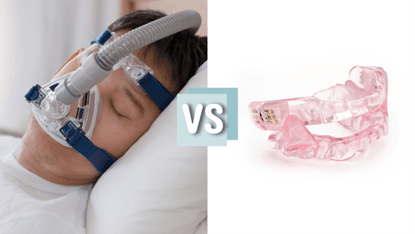
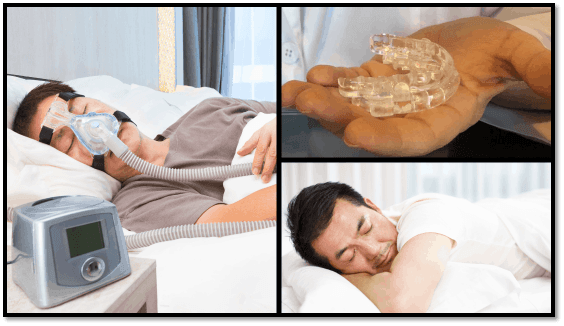
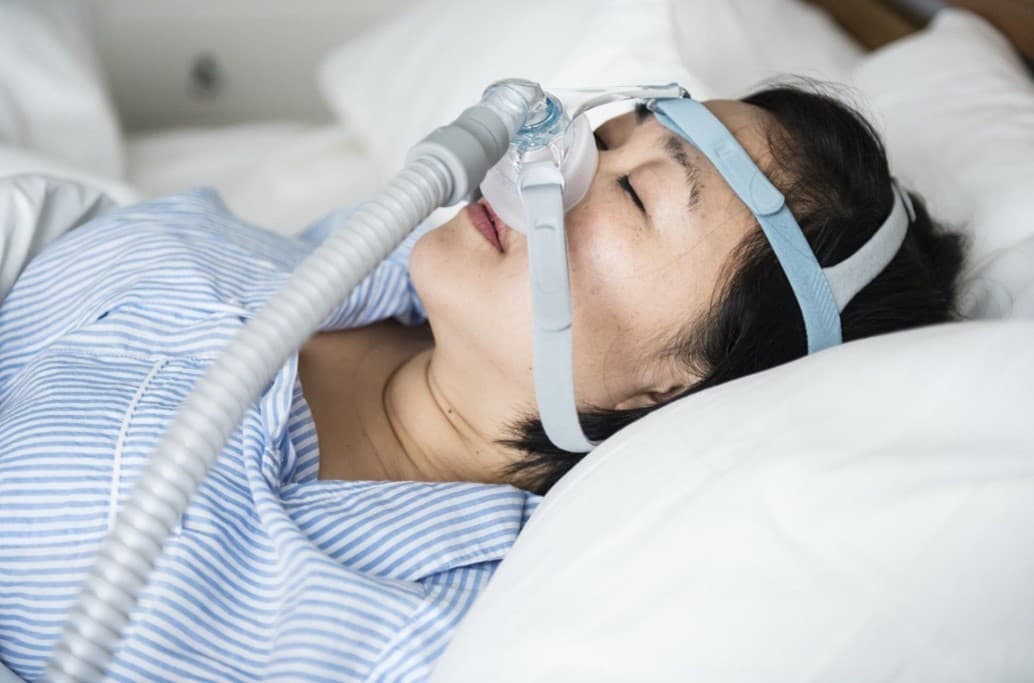
CPAP machines are one of the most common treatment modalities and are indeed effective for certain patients. However, this device is not the preferred choice for everyone, as it requires the use of a mask, which some individuals may find uncomfortable or inconvenient.
How Can Sleep Apnea Dental Devices Help You?
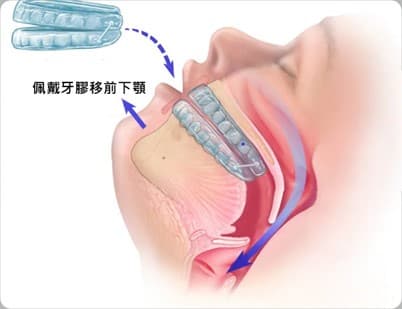
Sleep apnea dental devices offer an innovative approach to treatment by delicately adjusting the position of a patient's lower jaw and tongue while wearing a custom-made dental device during sleep. This ensures the upper airway remains unobstructed, effectively improving sleep quality and consequently enhancing cardiovascular and emotional health.
Compared to CPAP machines, these compact dental devices are convenient and more comfortable, particularly suitable for patients with mild to moderate sleep apnea. For those finding it challenging to adapt to CPAP, wearing a dental device may be a more readily accepted alternative.
However, when choosing a treatment, patients should carefully consider their individual circumstances, as different situations may require different approaches. It is recommended to undergo a comprehensive evaluation by professional sleep specialists and dentists. If an oral and maxillofacial surgeon determines that conservative non-invasive treatments are not suitable, further examination and analysis, especially an assessment of whether jawbone structure is a primary factor causing sleep apnea (such as a short lower jaw), may necessitate considering the feasibility of corrective jaw surgery.
Further reading:
- Custom Sleep Apnea Dental Devices vs. Over-the-Counter Snoring Aids: A Comprehensive Comparison
- CPAP Machine vs Sleep Apnea Dental Devices: How to Choose the Most Suitable Solution?
For individuals with sleep apnea, dental treatments offer new possibilities, providing them with a more comfortable and personalized treatment experience. In the journey to find quality sleep, choosing a suitable treatment method is crucial, and a sleep apnea dental device may be one solution. Let's work together towards peaceful nights and rejuvenate our lives with vitality.
However, each patient's condition is unique, and the best treatment approach should be individually tailored based on specific circumstances. If there are any uncertainties, it is advisable to consult with a trusted family dentist for the most appropriate advice and assistance. Regardless of the chosen treatment method, the hope is to regain restful sleep and enjoy a healthy, fulfilling life.