Many people feel nervous at the mere thought of visiting the dentist, and some put off treatment altogether — turning a minor issue into something far more involved. This is known as Dental Anxiety, and it is a very common experience. Understanding its causes and learning how to manage it can help you gradually build confidence and re-establish a regular oral-care routine.
Common Causes of Dental Anxiety
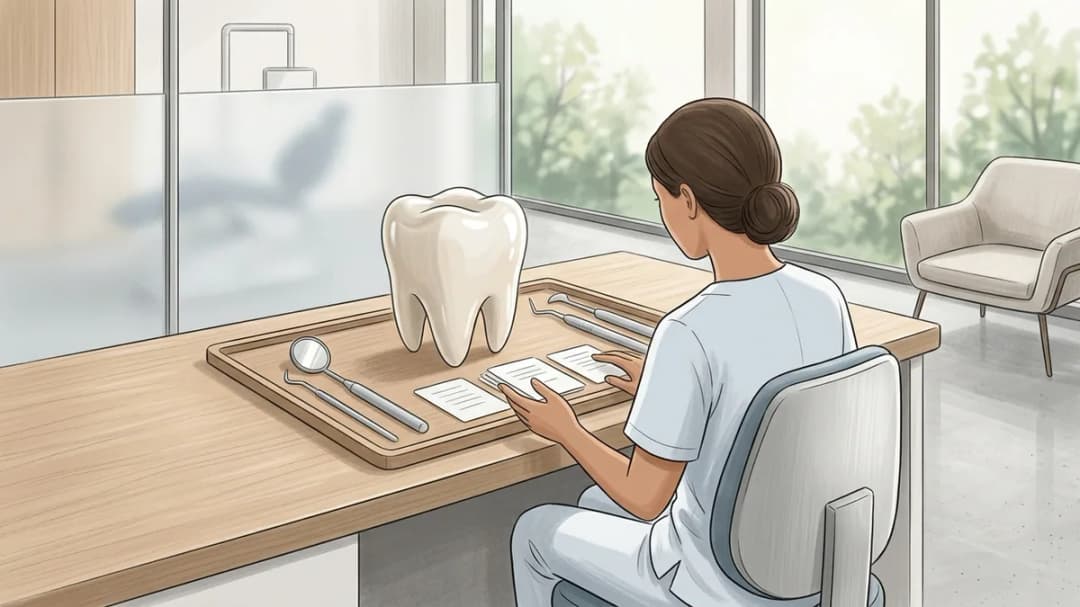
Fear of the dentist can stem from many different sources. Common factors include:
- Previous unpleasant dental experiences, particularly painful memories from childhood;
- Conditioned reactions to the sound of the drill, dental instruments, or the smell of the surgery;
- Worry about discomfort during treatment or concerns about cost;
- A feeling of losing control — for instance, lying back in the dental chair without being able to see exactly what is happening;
- Negative accounts from friends, family, or online sources that amplify existing fears.
Recognising where your fear comes from is the first step towards overcoming it.
A Simple Self-Assessment
The following questions can give you a rough idea of your anxiety level:
- Does the thought of booking a dental appointment cause insomnia, a racing heart, or an unsettled stomach?
- Have you ever cancelled or repeatedly postponed a dental appointment because of fear?
- Do you feel noticeably restless while sitting in the waiting room?
- During treatment, do you find yourself tensing your whole body or holding your breath without realising it?
If most of the above apply to you, your anxiety level may be relatively high. It is worth speaking openly with your dentist so that a more comfortable appointment plan can be arranged together. Please note that this is for general reference only and is not a medical diagnosis.
Five Ways to Ease Your Fear of the Dentist
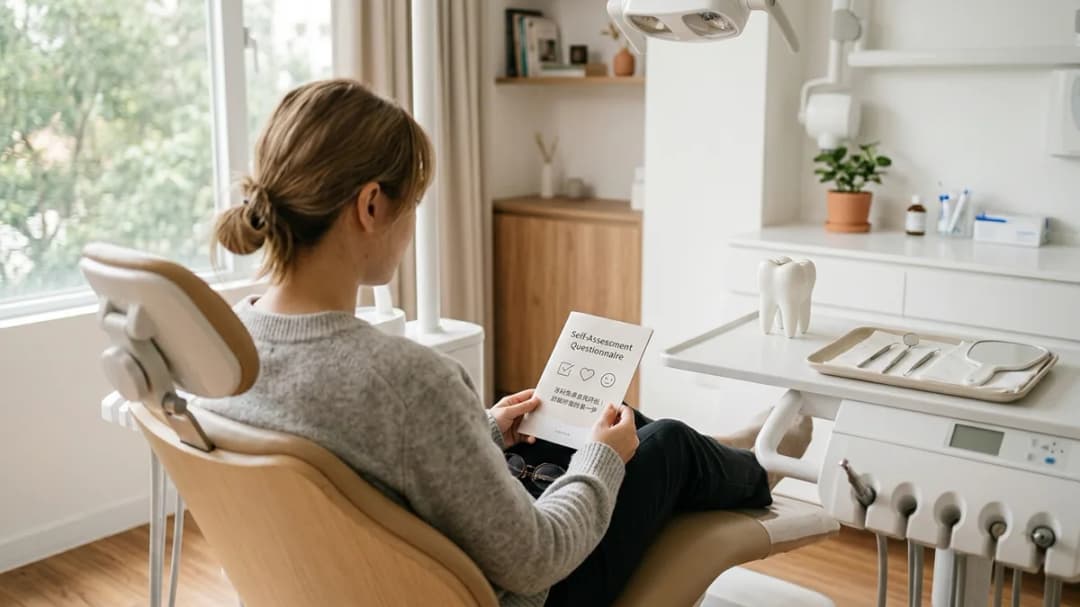
The following approaches can help reduce tension. Choose whichever suits you best:
- Communicate beforehand: Let your dentist know about your concerns before treatment begins, and agree on a pause signal — such as raising your hand — so you can ask for a break at any point. This helps restore a sense of control.
- Breathing exercises: Try slow, diaphragmatic breathing, inhaling and exhaling for a few seconds each. This can help steady your heart rate and relax your muscles.
- Distraction: Wear earphones and listen to music you enjoy, or focus your attention on your breathing rhythm to reduce awareness of instrument sounds.
- Start with simpler treatments: Schedule a scale-and-polish or a check-up first to build a positive experience before moving on to more involved procedures.
- Learn about sedation options: For those with higher levels of anxiety, a dentist may suggest an appropriate form of sedation after assessment, helping you receive treatment in a more relaxed state. For more information, please see our dental sedation articles. Suitability is assessed by the dentist on a case-by-case basis.
Building a Positive Long-Term Relationship with Dental Care
Overcoming anxiety takes time — a gradual, step-by-step approach is key. We recommend keeping up with regular check-ups and viewing each visit as routine maintenance rather than a crisis response. This reduces the likelihood of needing major treatment, which in turn lowers the fear associated with dental visits. Maintaining good brushing and flossing habits at home also helps minimise oral health issues, indirectly reducing the stress of each appointment. You are also welcome to browse our dental blog for more information on oral care and treatments, so you can feel mentally prepared before you arrive.
When to Seek Help
If your anxiety is significantly affecting your daily life, or if it has led you to avoid necessary dental treatment over a long period, we encourage you to speak with a dental team sooner rather than later. Your dentist can take into account your overall health, oral condition, and anxiety level to offer a personalised appointment plan and suitable measures to keep you comfortable. Associated fees and options vary depending on the individual case and the practice.
If fear has been stopping you from seeking the dental care you need, please do not hesitate to get in touch with our team. Home Dental is located in Causeway Bay, Tsim Sha Tsui, and Tsuen Wan. Message us on WhatsApp to book an appointment or make an enquiry — we will work with you to arrange a comfortable and suitable visit.