Dental Abscess: What You Need to Know
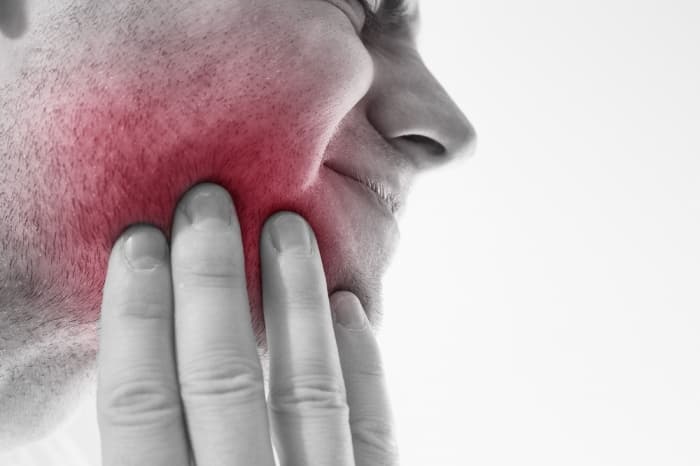
A dental abscess, also known as a tooth abscess or gum abscess, occurs when oral tissues become inflamed, accumulate pus, and form an abscess, causing pain and swelling in the affected area. Severe cases can lead to damage to the jawbone, making it crucial not to ignore the condition. When should you seek emergency dental care for a dental abscess? Can a dental abscess heal on its own? This article will provide detailed insights into essential aspects of dental abscesses.
What is a Dental Abscess?
Dental abscesses can be categorized into (1) periapical abscess, (2) periodontal abscess, and (3) odontogenic keratocyst:
-
Periapical Abscess:
- The most common type of dental abscess, it originates from inflammation at the tooth's root and gradually spreads beyond the root apex, forming a noticeable pus-filled sac on the gums or, in some cases, on the face.
-
Periodontal Abscess:
- This abscess results from the accumulation of pus within the gums and is often associated with periodontal disease.
-
Odontogenic Keratocyst:
- Typically caused by cell abnormalities during tooth development, this cyst may attach to a tooth or grow in the jawbone where there is no tooth.
Causes of Dental Abscess:
-
Tooth Decay:
- Severe tooth decay can erode the dental pulp, leading to bacterial infection and abscess formation.
-
Periodontal Disease:
- Gum recession caused by periodontal disease creates open spaces for bacteria to invade, resulting in inflammation and abscess formation.
-
Dental Injury or Fracture:
- Damage to the tooth's enamel may allow bacteria to penetrate, causing infection and abscess formation.
Symptoms of Dental Abscess:
Early stages of a dental abscess may be asymptomatic, but as the condition progresses, patients may experience:
- Toothache, potentially radiating to the ear, jaw, or neck.
- Visible pus-filled bump along the gum line.
- Sensitivity to hot and cold temperatures.
- Facial swelling.
- Bad breath.
- Fever.
Can a Dental Abscess Heal on Its Own?
A dental abscess typically correlates with severe oral health issues, and, in most cases, it will not heal on its own. Initial relief from pain might occur as the nerve endings die due to bacterial infection, but this doesn't signify healing. Without proper treatment, bacteria can spread, leading to more severe conditions like middle ear infection, sinusitis, or osteomyelitis.
Seeking timely dental care is crucial to address a dental abscess effectively. Ignoring the issue can result in complications and further deterioration of oral and overall health.

Handling a Dental Abscess: What You Should Know
The causes of dental abscesses are numerous, and the consequences can vary. Therefore, if you suspect dental abscess symptoms, it's crucial to schedule a dental appointment promptly to seek appropriate treatment.
If you experience symptoms like fever, facial swelling, or difficulty breathing, it could indicate that bacteria have spread down oral tissues to areas such as the jawbone, throat, or neck. These are severe warning signs, and you should urgently contact emergency dental services for professional dental abscess treatment to prevent complications.
Dental Abscess Treatment and Anti-Inflammation:
As an initial step in dental abscess treatment, a dentist will assess the severity and, if necessary, may incise the abscess to drain it and clean the pus.
Subsequently, a series of examinations will be conducted to identify the cause of the abscess, and an appropriate treatment plan will be devised.
For instance, if the abscess is due to periodontal disease, the dentist may recommend scaling and root planing to clean the teeth and promote gum tissue healing. If the cause is tooth decay, root canal treatment or tooth extraction may be performed to eliminate the source of the abscess.
During the waiting period for your appointment, you can initiate preliminary anti-inflammatory measures at home. Common methods include:
- Rinsing with saltwater or baking soda solution.
- Applying ice to the swollen and painful area.
- Taking prescribed anti-inflammatory medications.
Preventive Measures for Dental Abscess:
Prevention is key, so establish good oral hygiene habits. Besides regular brushing, use tools like dental floss and interdental brushes to clean hard-to-reach areas and eliminate plaque, reducing the risk of tooth decay or periodontal disease.
Additionally, undergo dental check-ups at least once a year. Regular dental visits help detect and address oral issues early, preventing them from progressing to the point of developing a dental abscess.
The consequences of a dental abscess can range from minor to severe. Untreated abscesses can lead to serious complications. If you notice symptoms associated with a dental abscess, seek medical attention promptly, consult a dentist for professional advice, and undergo appropriate treatment.