Understanding Wisdom Teeth: When Do They Erupt, Why Do We Have Them, and Do They Cause Pain?
Toothache is often considered worse than a serious illness, and wisdom teeth, in particular, are a heavyweight presence that many have heard of but may not fully understand. If you have questions such as when your wisdom teeth will emerge, why we have wisdom teeth, and whether they will cause pain if left untreated, we are more than happy to provide answers to your queries!
We will now go into detail about what wisdom teeth are, the reasons behind their emergence, and help you identify early signs of wisdom teeth to enhance your understanding of the ways to deal with them.
What Are Wisdom Teeth?
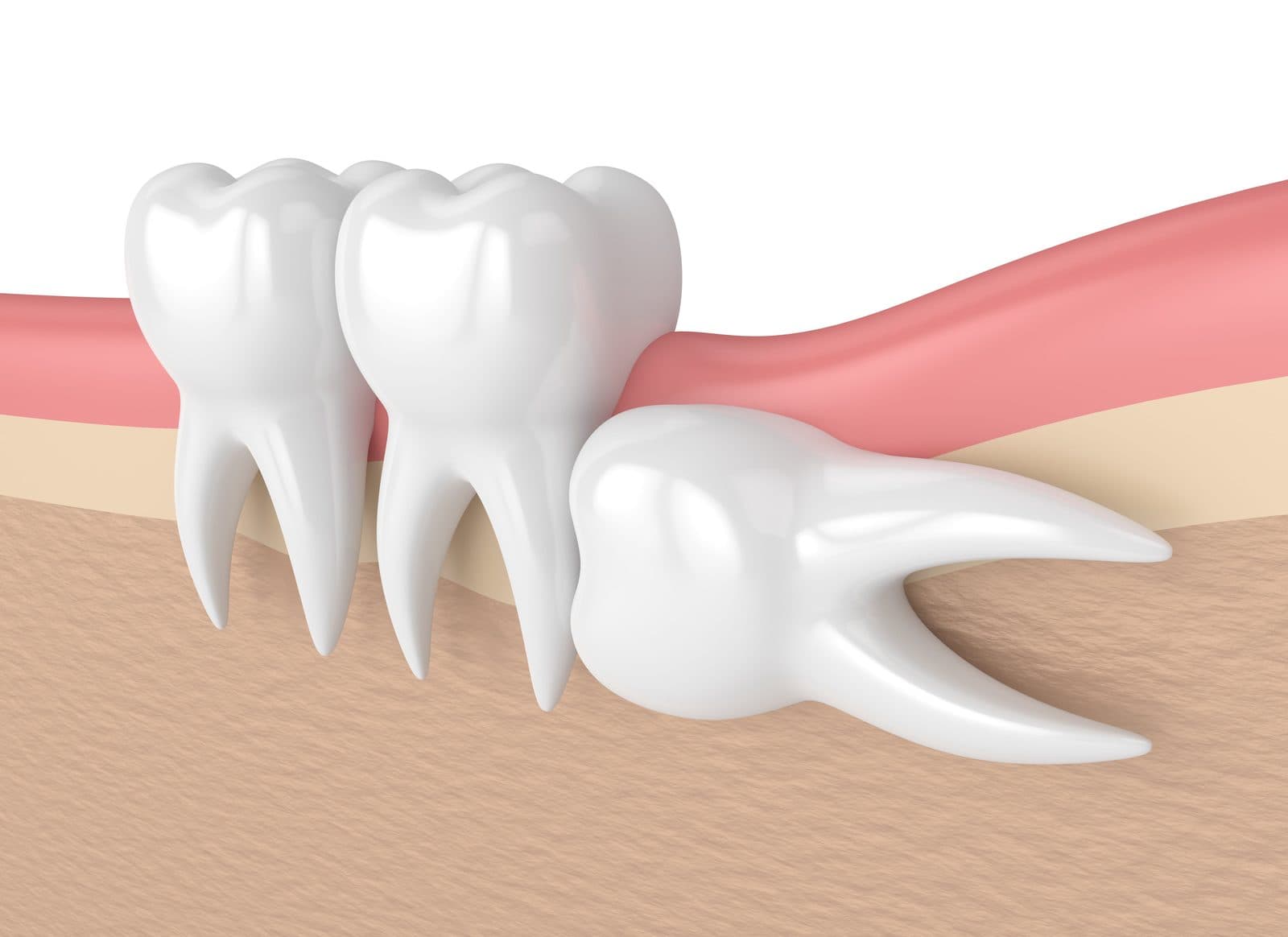
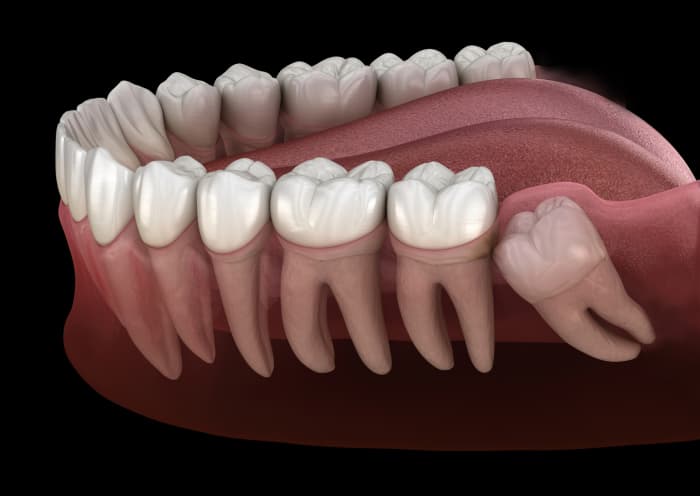
Wisdom teeth are the third set of molars and the last set of molars to emerge in the human body. They grow behind the second molars on both sides of the upper and lower jaws. Most people have four wisdom teeth, but the number can vary; some may have fewer than four, while others may have six to eight wisdom teeth. The main reason for impacted wisdom teeth is the smaller size of the lower jaw, reducing the available space and causing wisdom teeth to grow at angles or become impacted within the jawbone.
The eruption process of wisdom teeth can vary. If the direction of growth is toward the second molars, wisdom teeth may be blocked by them, leading to impacted wisdom teeth. Depending on the angle of eruption and available space, impacted wisdom teeth can fall into different categories of impaction.
When Do Wisdom Teeth Emerge? What Is the Optimal Age for Wisdom Tooth Extraction?
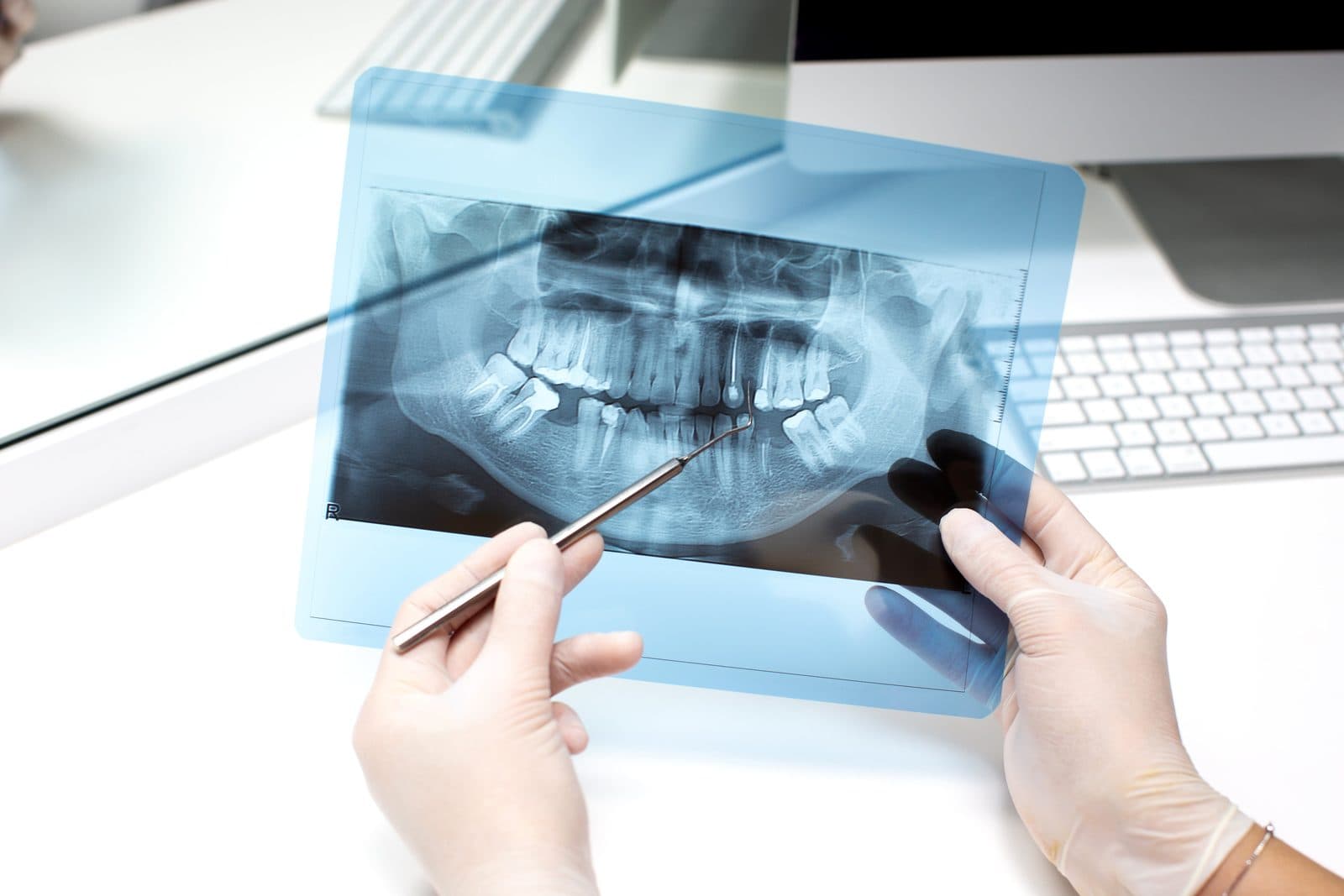
The term "wisdom teeth" is associated with the age at which they typically emerge. In general, most people experience the eruption of wisdom teeth between the ages of 18 to 25. Some individuals may not see their wisdom teeth emerge or experience pain during this period, leading them to believe they don't have wisdom teeth. However, it's possible that wisdom teeth are deeply embedded in the jawbone and have not yet erupted. It's best to undergo professional dental X-ray examinations to determine when wisdom teeth will emerge and assess their current growth conditions.
If the growth conditions of wisdom teeth are unfavorable, extraction may be necessary. The optimal age for wisdom tooth extraction is typically between 16 to 19 years old. Identifying issues early and taking preventive measures before complications arise is a prudent approach.
Early Signs of Wisdom Teeth Eruption

Wisdom Teeth: Do They Emerge Without Warning? Learn About Early Signs and Removal Procedures
Experiencing wisdom teeth eruption can come with some early signals. You might go through the following initial symptoms of wisdom teeth:
-
Swelling Sensation: The surrounding gums where wisdom teeth grow may feel swollen, and in severe cases, there could be a continuous throbbing sensation. Discomfort behind the second molars is likely caused by the initial eruption of wisdom teeth.
-
Oral Pressure: During the early stages of wisdom teeth development, there might be an increase in oral pressure, as if the mouth is constantly under force.
-
Increased Sensitivity: The area around growing wisdom teeth can become more sensitive and prone to irritation. Touching or brushing may cause a sensation of foreign objects.
While some individuals may consider these symptoms mild and ignore the subtle discomfort during the early stages of wisdom teeth development, these symptoms are actually signals that require action. The causes of these symptoms are unclear and could be related to general discomfort during tooth eruption. However, it might also be due to impacted or horizontally growing wisdom teeth issues, which should not be overlooked.
If you experience these early symptoms for an extended period, it is recommended to consult a professional dentist promptly. The dentist will examine your gum condition, check for crowding around wisdom teeth, and perform X-ray examinations to observe the growth direction and space of wisdom teeth. Based on the assessment, appropriate measures can be taken. If there is a risk of impaction, misalignment, horizontal growth, or difficulty in cleaning wisdom teeth, removal surgery may be necessary. The following will analyze situations that require wisdom tooth removal surgery.
Do I Need Wisdom Tooth Removal Surgery?
If your wisdom teeth have fully erupted or are deeply embedded in the jawbone, surgery may not be necessary. Conversely, if there is impaction, wisdom tooth removal surgery may be required. Removal procedures generally fall into two categories: preventive surgery and therapeutic surgery.
Preventive surgery involves the removal of wisdom teeth before they cause issues. The first type of preventive surgery is done before the wisdom teeth fully emerge. This may be prompted by a dental examination, revealing the potential for future pain, inflammation, or crowding of other teeth due to wisdom teeth. The second type is performed after wisdom teeth have erupted. Wisdom teeth are prone to growing crookedly, making some surfaces difficult to clean and increasing the risk of dental problems. In these cases, wisdom teeth are removed before complications arise.
Therapeutic surgery is performed after issues with wisdom teeth have already occurred. Apart from the previously mentioned problems, impacted wisdom teeth can also exert pressure on adjacent teeth, causing the roots of those teeth to shrink over time. Wisdom teeth can also contribute to periodontal diseases such as pericoronitis. In severe cases, impacted wisdom teeth can damage jawbone tissue, a rare but urgent condition requiring immediate treatment.
It is challenging for individuals to self-assess the condition of wisdom teeth. Regular dental check-ups are strongly recommended, or consult a professional dentist during the early stages of wisdom teeth eruption.
Wisdom Tooth Surgery: Upper Jaw vs. Lower Jaw
Many people are concerned about the risks associated with wisdom tooth surgery, and the risks differ significantly between upper jaw and lower jaw surgeries. Wisdom teeth in the upper jaw are not close to the trigeminal nerve, making the surgery less risky. However, for wisdom teeth in the lower jaw, which are closer to the trigeminal nerve, there is a risk of temporary loss of sensation in the lower jaw and lips if the nerve is accidentally injured during surgery. Recovery may take anywhere from a few months to around half a year, with older individuals possibly needing more time for complete restoration.
Understanding more about how to handle wisdom teeth is crucial. It is advisable to schedule a dental examination during the early stages of wisdom tooth eruption to receive professional care promptly and avoid potential dental issues like cavities and periodontal diseases in the future.