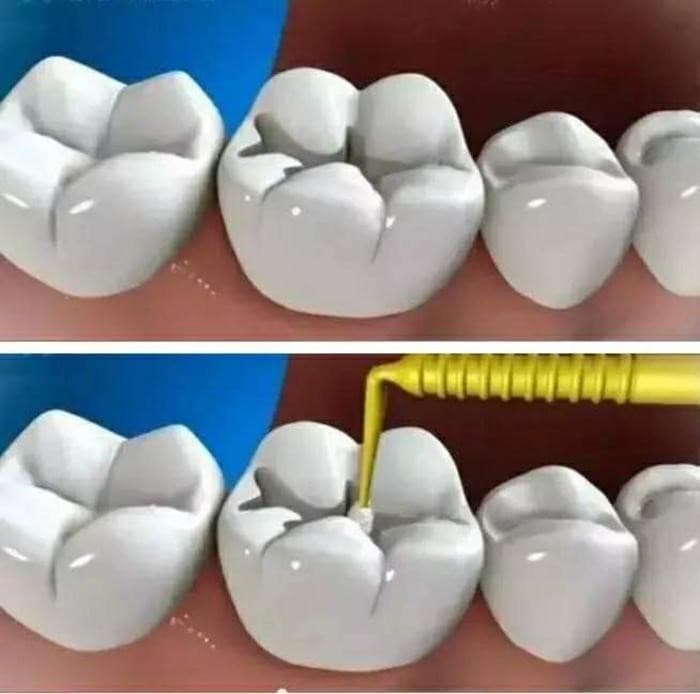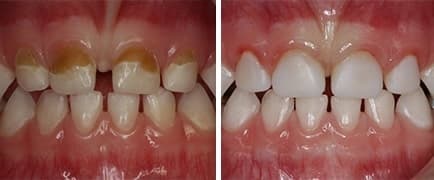
Dental crowns can restore the beauty of the severely damaged teeth, restore the normal chewing function, and protect them from further damage. If the cavity is small, it can be dealt with by filling, but if the cavity is large, there may not be enough healthy tooth structure for a general filling.
At this time, many patients may consider using a crown to protect the remaining healthy tooth structure, because a crown with sufficient strength can play an important role as a protective layer on the tooth.
Although dental crowns are not permanent, they can generally be used for ten to twenty years and can even be used for a lifetime with proper maintenance. Therefore, when choosing a dental crown material, you need to consider the dental needs and budget constraints of individual patients, and make the most suitable choice for yourself.
What are the different types of materials for dental crowns?
Crown materials can be roughly divided into two categories: metallic and non-metallic.
1. Metal crowns (crowns made of different metal alloys)
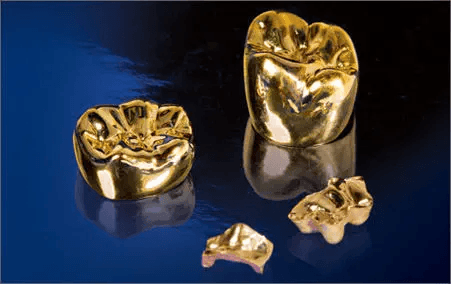
Golden crown
Golden alloy crowns have been used for a long time to repair the damaged teeth. Even though nowadays fewer people have golden teeth inlay, it is believed that almost every senior citizen always has one or two golden teeth.
Advantages:
- Excellent balance of strength, safety, and durability.
- Long service life, not easy to break or deform.
Disadvantages:
- The appearance of gold is more old-fashioned and is difficult for many people to accept nowadays.
- Gold costs are rising, and prices are high.
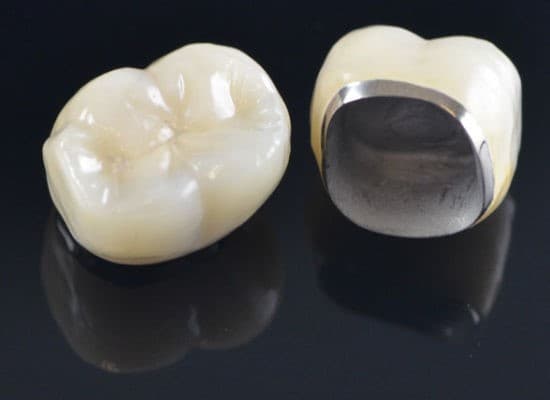
Metal alloy or PFM (porcelain-to-metal) crowns
Usually made from a mixture of non-precious metal alloys, mainly nickel, cobalt or chromium, and then covered with a layer of porcelain to give it a white appearance.
Advantages:
- The white porcelain surface looks like the real tooth color.
- The price is more affordable than full-ceramic crowns.
Disadvantages:
- Crowns are thick and need to grind away a lot of healthy tooth structure to make room for the thickness of the metal layer and porcelain, which can further weaken the tooth and increase the risk of requiring root canal treatment.
- A dark silver metal line is visible under the porcelain layer, possibly causing staining of the surrounding gums.
- As the porcelain layer wears down over time, the underlying metal may be exposed on the crown surface.
- If you are allergic to certain metals, it may cause inflammation and redness of the gums.
2. Non-metal crowns (these crowns are made of materials like the color of the teeth, which are more lifelike and more aesthetic)
Full-ceramic crown
All-ceramic crowns are the most beautiful and natural choice among dental crown materials, and one of the most used restorations in dentistry, with a lifespan of more than 15-20 years. It bonds to the enamel of the tooth to increase the strength of the tooth without the need for extensive grinding of the tooth structure.
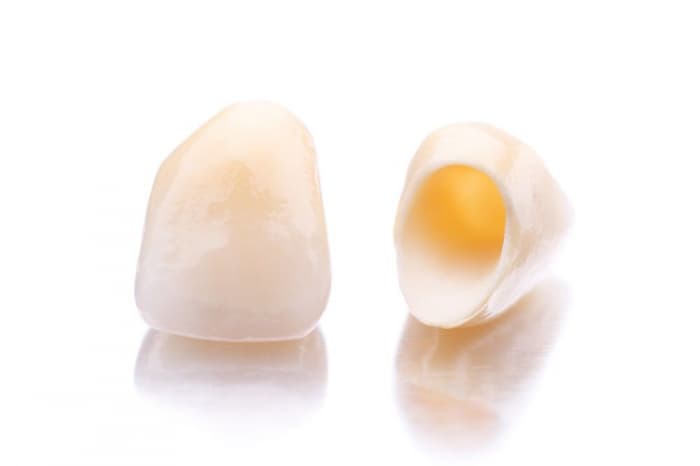
Advantages:
- Natural color, bright and translucent, closest to the effect of real teeth, high aesthetics.
- Has excellent strength and durability, even higher than those of real teeth.
- Completely free of metal ingredients, highly compatible with teeth, not easy to be allergic, will not produce metal odor or stain the gums and other issues.
- More healthy tooth structure can be preserved without having to grind away part of the tooth for crowns.
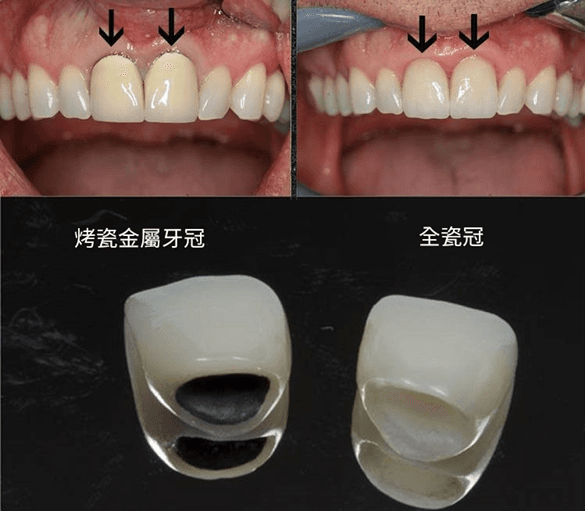
Disadvantages:
- The price is higher.
- Not elastic, may crack and chip.
Full zirconium crown
Made of high-strength zirconia ceramic blocks. The best combination of strength, aesthetics and durability in crown materials.
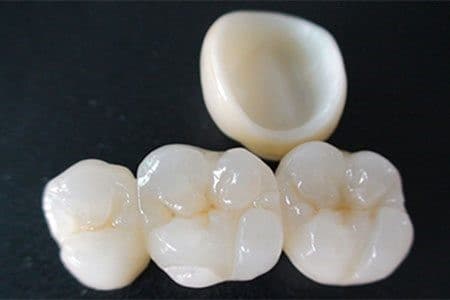
Advantages:
- Appearance in white like natural teeth.
- Very strong and can withstand the enormous bite force that occurs when teeth are grinded.
- Computer 3D cutting in one piece, it can be made thinner (1mm), so there is no need to grind away a lot of natural tooth structure.
- High compatibility with teeth, not easy to be allergic.
Disadvantages:
- Inherently more opaque, more dead white, and looks brighter than natural teeth, not natural.
- The price is higher.
Dental crown making technology continues to improve
Previously, crown fabrication relied on the use of prepared dental impressions and study models in the laboratory. However, the prepared crowns do not always fit perfectly, and are prone to problems such as deformation and size changes during the manufacturing process, requiring multiple visits to recreate the crown.
Learn more to make the best choice for you
Dentists generally recommend preserving the dentine as much as possible, using materials that reduce a lot of grinding and increase the retention of the teeth. Everyone's oral conditions and needs are different. You may wish to discuss the treatment plan with your dentist and choose the most suitable crown material according to your personal needs, the overall diagnosis and the treatment plan recommended by the dentist.
If you have any questions, please contact your trusted family dentist.