What is Impacted Wisdom Tooth?
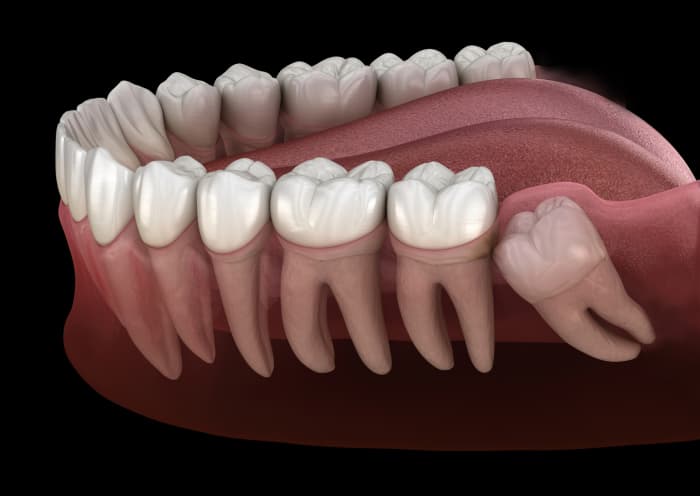
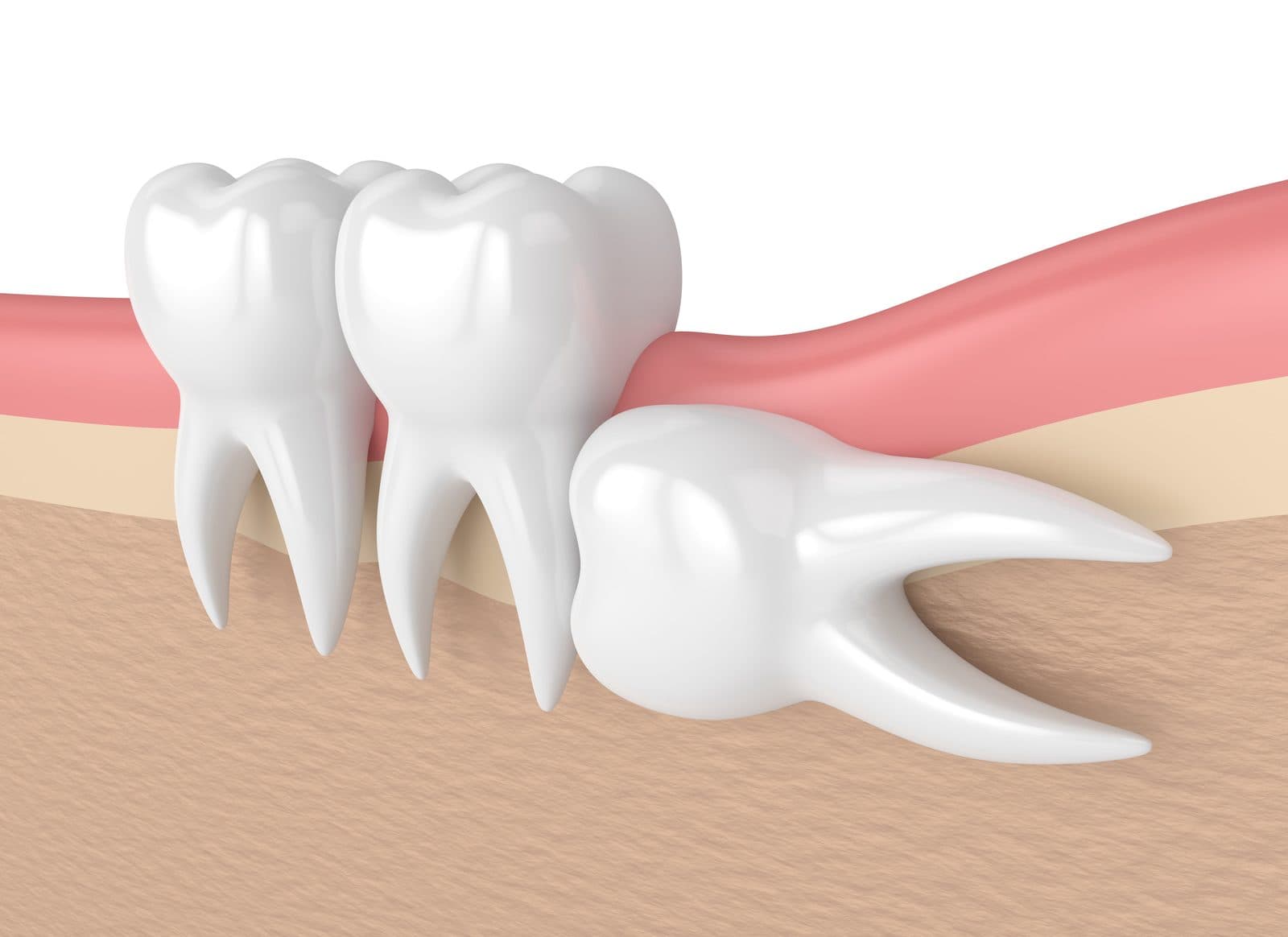
The term "impacted wisdom tooth" literally means a wisdom tooth that grows in a horizontal or tilted position. It is a more severe form of wisdom tooth misalignment, which can lead to issues such as pain, inflammation, compression of surrounding molars, periodontal disease, and tooth decay. Impacted wisdom teeth of this nature pose a more challenging situation.
The severity of impacted wisdom teeth depends not only on the angle of their growth but also on the degree of impaction. Impaction can be broadly categorized into two types: partial impaction and full impaction. In partial impaction, a portion of the tooth emerges through the gum, making it less challenging to treat. On the other hand, fully impacted wisdom teeth do not emerge through the gum surface at all; they remain entirely within the jawbone. Treating fully impacted wisdom teeth is more complex, often requiring intricate surgical procedures.
How Do I Know if My Wisdom Tooth is Impacted?
If the Wisdom Tooth is Partially Impacted:
In the case of a partially impacted wisdom tooth, we can initially assess the growth angle by examining the exposed top portion of the tooth. A preliminary visual inspection helps determine whether the wisdom tooth is growing in a horizontal position.
For More Complex Cases: Full Impaction, Decay, etc.:
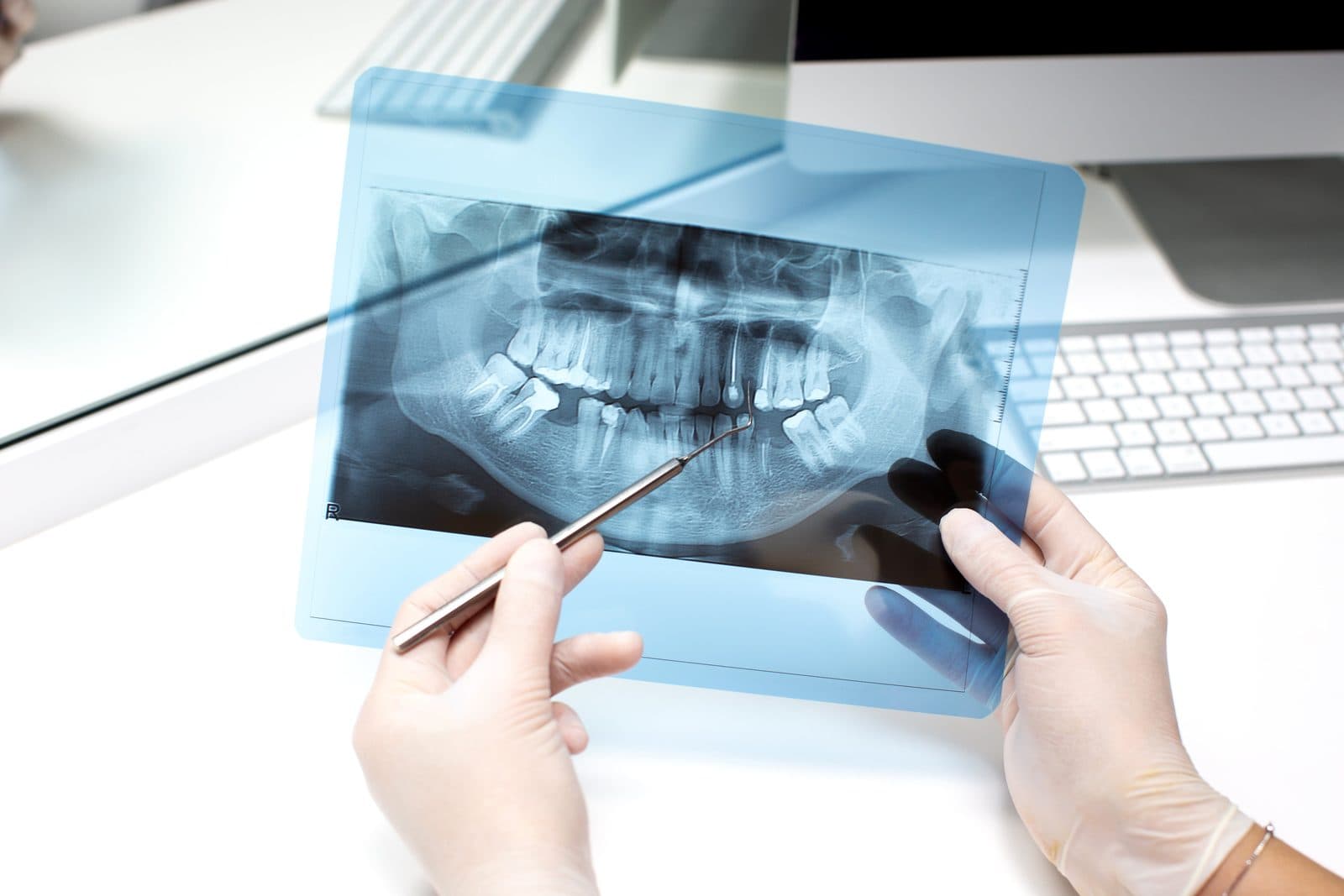
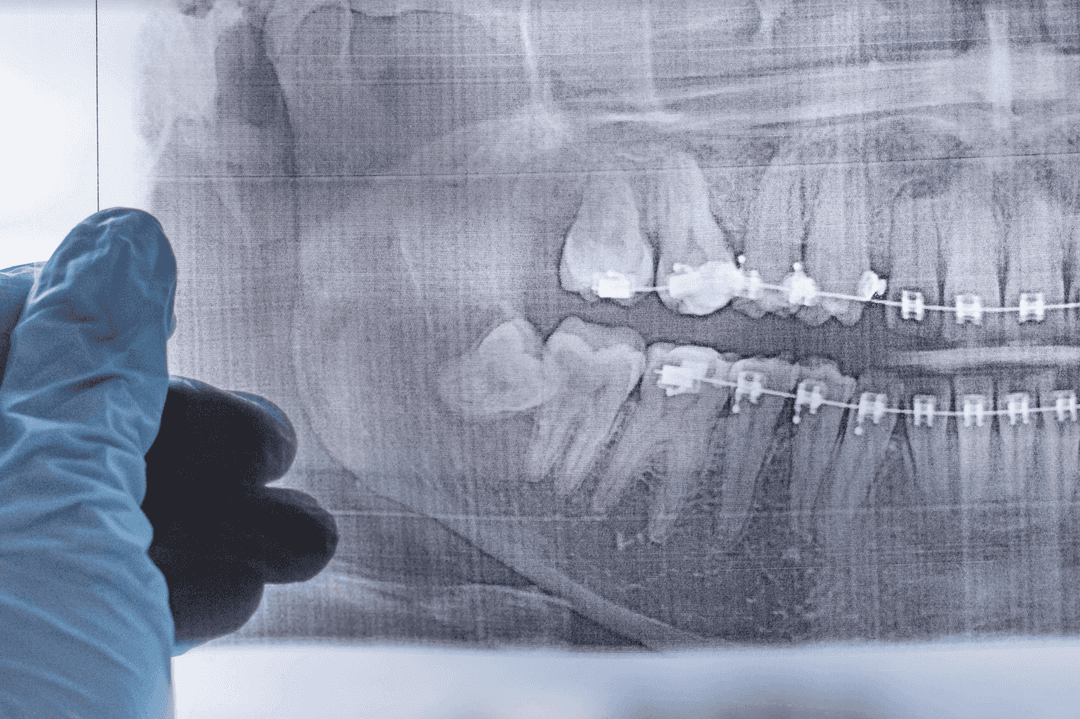
In situations where the wisdom tooth condition is more complex, such as fully impacted wisdom teeth or wisdom tooth decay, it becomes challenging for non-professionals to rely solely on visual observations. In such cases, advanced dental examinations are required. A face-to-face consultation with a dentist, coupled with diagnostic tools like X-rays and CT scans, provides a more accurate and detailed diagnosis.
The dentist's experience plays a crucial role in accurately assessing the condition of wisdom teeth. Dentists with extensive experience in wisdom tooth treatment can not only explain the current situation meticulously but also swiftly determine the location of nerves. They can consider future treatment plans and even discuss surgical risks during consultations, saving patients overall treatment time and alleviating the pain and discomfort caused by impacted wisdom teeth at an early stage.
Issues Arising from Impacted Wisdom Teeth:
Impacted wisdom teeth can give rise to various problems, including:
1. Pain and Discomfort
2. Inflammation
3. Compression of Surrounding Teeth
4. Periodontal Disease
5. Tooth Decay
Early diagnosis and intervention by an experienced dentist are essential to address these issues effectively.
| Problems | Specific Symptoms |
| Periodontal Inflammation (e.g., Pericoronitis): | The exposed part of impacted wisdom teeth tends to accumulate dental plaque between it and the covering gum. Continuous biting on inflamed gums can hinder the healing of the inflammation. Severe inflammation may lead to difficulties such as swallowing, fever, and difficulty in mouth opening. |
| Severe Wisdom Tooth Pain: | Challenging Growth Angle of Impacted Wisdom Teeth The sharp and unconventional growth angle of impacted wisdom teeth can cause significant oral discomfort. Patients may experience noticeable and intense swelling and pain. |
| Shrinking of Adjacent Tooth Roots: | If Impacted Wisdom Teeth Grow Towards the Front Teeth:
|
| Other Severe Complications: | It may cause:
|
American Dental Association: Seven Conditions That Determine Whether Wisdom Teeth Removal is Necessary
How do you determine if you need to remove your wisdom teeth? The American Dental Association has outlined seven conditions caused by wisdom teeth, and when these issues are identified, patients should consider wisdom teeth removal. The seven identified problems are as follows:
1. Causing Pain Symptoms
2. Infection of Soft Tissues
3. Cysts
4. Tumors
5. Damage to Adjacent Teeth
6. Causing Gum Diseases
7. Causing Tooth Decay
Is wisdom teeth extraction necessary?

Wisdom Teeth Surgery: Procedure, Risks, and Aftercare
As mentioned earlier, if you are not experiencing any of the aforementioned issues due to wisdom teeth, then wisdom teeth extraction might not be necessary. However, if you find yourself facing problems caused by impacted wisdom teeth, it's essential to know how to proceed with the treatment.
The management of wisdom teeth can be categorized into non-surgical and surgical approaches. Non-surgical treatment involves the complete removal of wisdom teeth, while surgical treatment (wisdom teeth extraction surgery) requires more intricate steps. If you are interested in learning more about methods related to wisdom teeth management, you can refer to Wisdom Tooth Inflammation | Causes and Two Treatment Methods.
The growth condition of everyone's wisdom teeth is unique, and not every case requires surgical wisdom teeth extraction. The risks of undergoing surgery for impacted wisdom teeth also vary from patient to patient. If you are unsure about the growth condition of your wisdom teeth and the corresponding best treatment approach, it's advisable to consult an experienced dentist for detailed information before considering wisdom teeth extraction surgery.
Wisdom Teeth Extraction Procedure
1. Preoperative Examination, Communication, and Treatment Plan Confirmation:
- The dentist will conduct a preoperative examination, take full-mouth X-rays, assess the growth angle, depth, impaction level, position of the inferior alveolar nerve, etc.
- Evaluate the surgical risks and difficulty.
- Explain the treatment plan to the patient.
2. Anesthesia:
- After ensuring the patient understands the surgical risks and techniques, the dentist will administer local anesthesia to begin the wisdom teeth extraction surgery.
3. Surgical Procedure:
- In the case of fully impacted wisdom teeth, the first step involves incising and elevating the soft tissues.
- Subsequently, the alveolar bone encasing the teeth is removed, and the wisdom teeth are incrementally sectioned and removed until completely extracted.
- Finally, the dentist cleans the socket and wound, meticulously suturing the incision.
The effectiveness of wisdom teeth extraction surgery depends significantly on the precision and skillfulness of the dentist's maneuvers. Using appropriate gestures is crucial for correct cutting and removal of wisdom teeth to achieve the desired therapeutic outcome. Surgical time is also crucial, and accurate, gentle, and stable maneuvers can shorten the surgery duration, alleviate patient discomfort, and facilitate a smoother process. The surgery aims to complete the removal of wisdom teeth with the least time, minimal trauma, and highest success rate.
Unless there are specific conditions, patients usually return for a follow-up appointment around two weeks postoperatively, where the dentist may remove stitches, officially completing the wisdom teeth extraction surgery.
Are There Postoperative Complications or Risks for Impacted Wisdom Teeth Surgery?
Many people worry about potential aftereffects of wisdom teeth impaction surgery. The risks associated with wisdom teeth extraction surgery vary depending on the specific circumstances of the patient. Common risks include:
1. Need for Anesthesia:
- Anesthesia is required for the surgery.
2. Proximity to Major Nerves:
- Wisdom teeth are near major nerves, and there's a chance of damaging neural tissues.
3. Issues Resulting from Touching Nerves During Surgery:
- Problems resulting from inadvertent contact with nerves (e.g., inferior alveolar nerve or lingual nerve) during surgery, leading to facial or lingual nerve damage, loss of taste, etc.
4. Postoperative Wound Infection or Persistent Swelling:
- Postoperative complications may include wound infection or prolonged swelling.
The dentist's expertise in judging wisdom teeth conditions significantly influences the accuracy of diagnosis. Dentists with extensive experience in wisdom teeth treatment not only provide detailed explanations of the situation but can also swiftly assess nerve positions, consider future treatment plans, and even outline surgical risks during consultations. This approach saves overall treatment time, allowing patients to escape the agony caused by impacted wisdom teeth sooner.
Correct gestures during wisdom teeth impaction surgery are crucial. When performing this surgery, a skilled dentist can use proper gestures to safeguard the safety of the procedure. As wisdom teeth surgery often needs to be performed in the narrow area of the oral cavity and with sensitive surrounding tissues, accurate gestures help the dentist avoid damaging nearby structures such as nerves, blood vessels, and adjacent teeth. This minimizes unnecessary surgical risks.
On the other hand, a dentist's gestures directly impact the control of bleeding. Wisdom teeth impaction surgery inevitably causes bleeding, and correct gestures assist the dentist in controlling bleeding effectively. Applying appropriate pressure and managing bleeding points ensure the clarity and visibility of the surgical area. This helps reduce interference from bleeding during the surgery, providing a better view. This ensures that the surgery is completed with minimal trauma, avoiding postoperative complications and reducing the risks of complications after wisdom teeth impaction surgery.
How to Care for Impacted Wisdom Teeth Surgery Afterward?
After completing wisdom teeth impaction surgery, patients need to be careful not to disturb the affected area to facilitate prompt healing. General care should include:
- Be cautious while eating to avoid touching the wound or dislodging blood clots.
- Temporarily avoid solid foods.
- Avoid activities that create a vacuum in the mouth, such as using straws.
For more information on postoperative care after wisdom teeth extraction, please refer to: [Post-Wisdom Tooth Extraction](https://www.dentistry.com.tw/extract-wisdom-tooth-how-long-does-it-hurt).
Cost of Impacted Wisdom Teeth Surgery
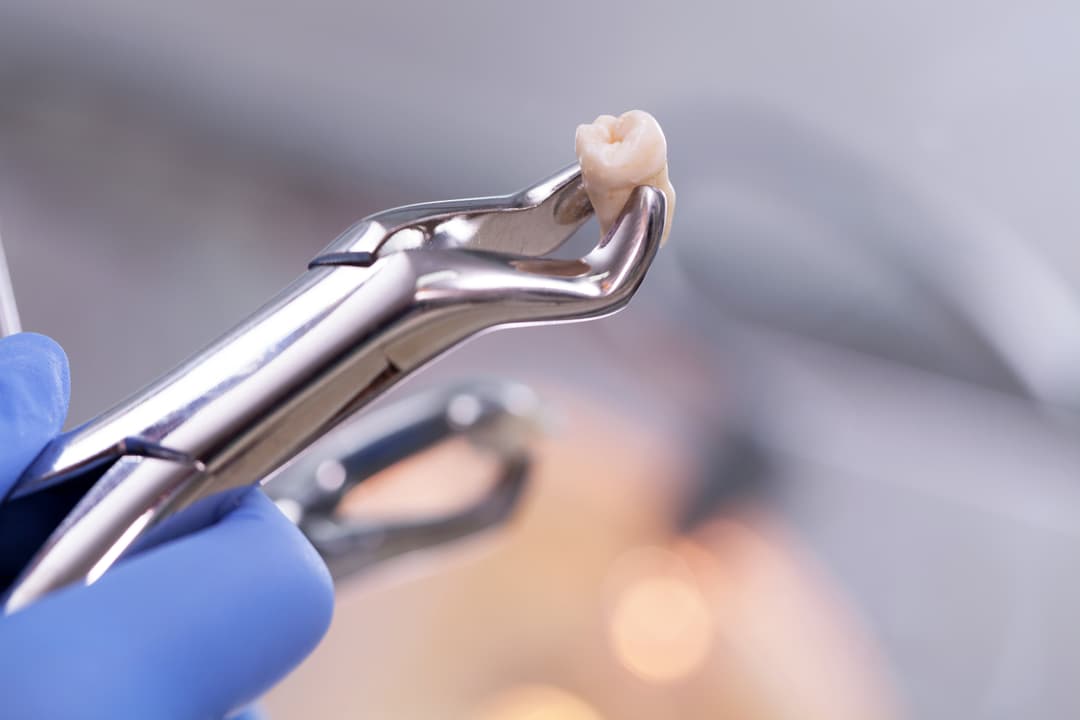
Cost and Considerations for Wisdom Teeth Impaction Surgery
The surgical difficulty and complexity associated with impacted wisdom teeth extraction make the procedure more costly compared to a standard wisdom tooth surgery. Common charges for impacted wisdom teeth surgery include X-ray fees, professional consultation, anesthesia, surgical fees, and additional tests for specific conditions.
Moreover, the cost of wisdom teeth impaction surgery can be influenced by factors such as the patient's specific condition, the experience and skill of the treating dentist, and the overall quality of service. Higher service quality in impacted wisdom teeth surgery often corresponds to higher charges, but it ensures greater safety, reduces discomfort during the surgery, and enhances overall surgical effectiveness.
Common Questions About Wisdom Teeth Surgery
1. Is It Necessary to Remove Wisdom Teeth If They Are Growing Normally?
- Based on the American Dental Association's advice mentioned earlier, if you do not experience any of the seven mentioned issues, there might not be a necessity to remove normally growing wisdom teeth. However, if you are concerned, consulting a reputable dentist to understand your specific dental condition is recommended.
2. What Should You Consider Before Wisdom Teeth Surgery?
- Before undergoing wisdom teeth impaction surgery, it is crucial to have a thorough understanding of your wisdom teeth's growth condition, the proficiency and gestures of the performing dentist, surgical risks, potential aftereffects, and the surgical approach. Clear knowledge about wisdom teeth surgery minimizes the risks and helps you overcome wisdom tooth-related pain sooner under safe and trustworthy assistance.
Important Consideration - Your Right to Choose a Dentist:
- You have the right to choose a dentist according to your needs. We recommend reviewing the list of registered dentists available on the official website of the Hong Kong Dental Council to make the most fitting choice for your personal needs.
If you suspect an impacted wisdom tooth, start with a clinical examination and X-ray assessment. Wisdom tooth surgery can be arranged at our Causeway Bay and Tsuen Wan clinics; our Tsuen Wan dentist clinic additionally houses a licensed Dental Day Procedure Centre, where suitable cases can — subject to the dentist's assessment — have the surgery under sedation, with consultations available on Saturdays, Sundays and public holidays.