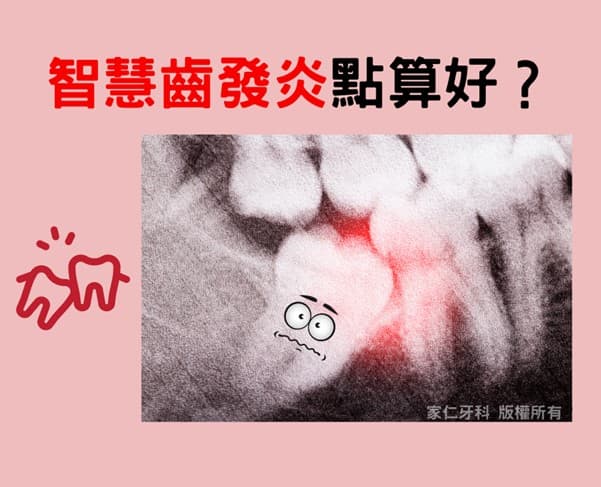
Understanding Wisdom Tooth Inflammation: Causes and Treatment
Many people are puzzled about why wisdom tooth inflammation occurs. They may not understand the reasons behind the inflammation or know what to do when they discover signs of wisdom tooth inflammation. Since cases of wisdom tooth inflammation are quite common, I will provide an overview of the causes and treatment methods in the hope of assisting those dealing with wisdom tooth inflammation.
Q1: Why Does Wisdom Tooth Inflammation Occur?
Wisdom tooth inflammation often arises due to insufficient space in the oral cavity for proper wisdom tooth growth. As a result, wisdom teeth may grow in at awkward angles, making dental hygiene more challenging, with food particles easily getting trapped in the gaps. Prolonged presence of food residue in the teeth may lead to gum inflammation around the wisdom tooth and adjacent teeth, commonly referred to as "crown periodontitis."
Q2: What Symptoms Accompany Wisdom Tooth Inflammation?
Common symptoms include facial swelling and tenderness upon touch. Swallowing may be accompanied by throat pain. Some individuals may experience difficulty opening their mouths due to tooth pain, and others might develop fever or bad breath due to tooth decay and pus formation.
Q3: What Can Be Done When Faced with Wisdom Tooth Inflammation?
Patients can begin by rinsing their mouths with saline solution to flush out inflammatory substances. It is crucial to focus on dental hygiene to prevent the inflammation from worsening. If there is no improvement, seeking professional dental care is recommended. Dentists may prescribe topical medications and, in severe cases, may recommend wisdom tooth extraction to prevent complications.
For specific concerns, consult with a healthcare professional.
Here are some frequently asked questions (FAQ) about wisdom tooth inflammation to help you quickly grasp the essentials.