

When discussing buck teeth, it's common to focus on their appearance. The distinctive features of buck teeth can be quite conspicuous, often leaving a lasting impression, which may lead many patients to feel self-conscious. However, these dental issues encompass more than meets the eye. They not only impact one's appearance but also carry psychological implications and hide concerns related to oral health.
Surprisingly, many individuals have limited awareness of these issues. With this article, our goal is to offer you a broader understanding of buck teeth and why they merit your attention beyond mere appearances.
What Are Buck Teeth?
Buck teeth, also referred to as "overbite" or "upper jaw protrusion," are a prevalent dental condition. In a typical bite, they appear as the upper jaw (the upper row of teeth) protruding or tilting excessively forward, partially or completely covering the lower jaw (the lower row of teeth). This condition can result in the misalignment of upper and lower teeth, impacting several aspects, including one's appearance, chewing functionality, and speech articulation, among others.
Why Do Buck Teeth Occur?
Buck teeth can develop due to various factors. Here are some common causes:
- Genetic Factors: The role of genetics in the development of buck teeth is significant. If there are cases of buck teeth in your family, the likelihood of developing them increases. This is because parents can transmit their dental and jawbone structures to their children, influencing the arrangement and alignment of their teeth. Nevertheless, it's important to note that genetics is only one of the contributing factors to buck teeth.
- Oral Habits: Specific oral habits, such as thumb-sucking, tongue thrusting (the unconscious pushing of the tongue against the back of the teeth), or spitting, can place pressure on tooth alignment and affect chewing patterns. These habits typically start during childhood and, if not addressed promptly, can have lasting impacts on correct dental development, potentially resulting in the development of buck teeth.
- Tooth Alignment: Irregular tooth alignment, including issues like crowding or teeth overlapping, can also be a contributing factor to the development of buck teeth. Crowded teeth have difficulty aligning properly, potentially causing misalignment between the upper and lower jaws.
- Growth Processes: In the course of dental development, sometimes there's a lack of synchronization in the growth rates between the upper and lower jaws. This lack of coordination is considered one of the primary reasons for buck teeth. It can lead to the upper jaw protruding or tilting excessively forward, ultimately resulting in the development of buck teeth issues.
How Can Buck Teeth Affect You?
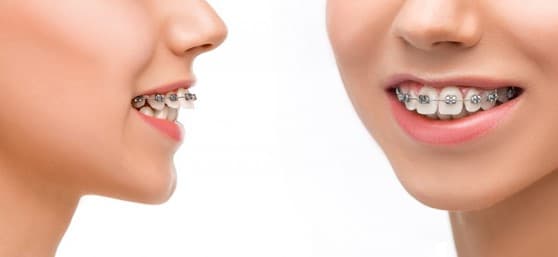
The issue of buck teeth can have various negative impacts on both oral health and quality of life, including:
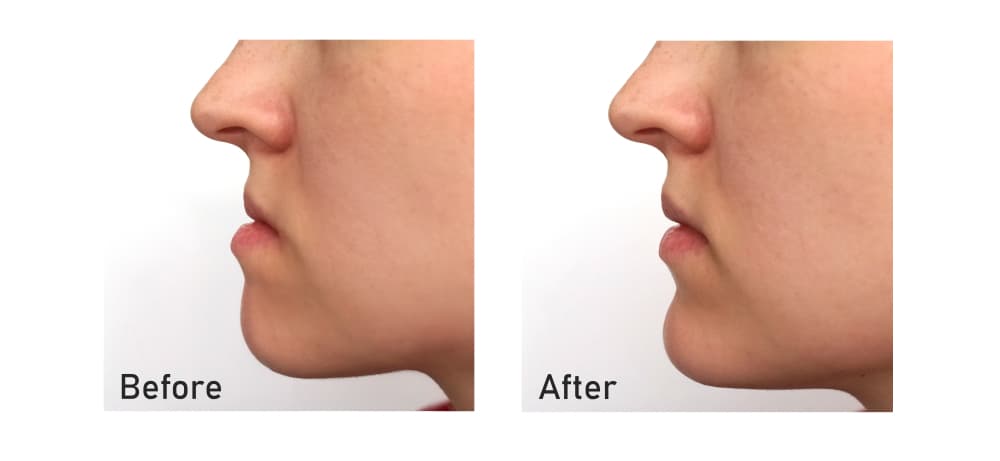
- Appearance Concerns: Buck teeth are commonly referred to as "rabbit teeth" or "watermelon carving" because they result in a noticeable protrusion of the upper teeth. This protrusion can be visible even when smiling and may hinder the natural closure of the lips. This outward protrusion in appearance can cause discomfort and have a negative impact on an individual's self-confidence and self-esteem.
- Psychological Health: Buck teeth can significantly impact a person's psychological well-being. They often alter one's appearance, especially in adolescents and young adults, potentially leading to feelings of self-consciousness. These feelings can, in turn, result in challenges in social interactions and emotional struggles.
- Chewing Function: Bite issues associated with buck teeth also impact chewing function. The misalignment of upper and lower teeth makes chewing food more challenging, potentially leading to incomplete food breakdown and placing unnecessary stress on the digestive system. Over time, this can result in digestive problems and impaired nutrient absorption, posing potential risks to overall health.
- Oral Health: Although buck teeth typically do not directly cause headaches, jaw discomfort, or gum problems, they can indirectly contribute to these issues. The upper front teeth may wear against the lower front teeth, and lower teeth may rub against the gums behind the upper teeth. Additionally, buck teeth can make it difficult to thoroughly clean teeth, leading to the buildup of food particles and bacteria, which increases the risk of cavities and gum infections. Incorrect chewing patterns can also strain chewing and facial muscles, potentially causing headaches and placing additional stress on the jaw joint, resulting in symptoms such as pain or discomfort.
- Speech Pronunciation: Buck teeth can also affect speech pronunciation. Clear and accurate pronunciation often relies on the coordination of upper and lower teeth to produce distinct speech sounds. However, buck teeth can hinder this coordination, resulting in unclear or incorrect pronunciation and, consequently, affecting effective communication.
Is orthodontic correction necessary for buck teeth?
Whether orthodontic correction is necessary for buck teeth depends on the individual's situation. Here are some circumstances where correction may need to be considered:
- Appearance and Mental Health: If buck teeth significantly impact a person's appearance, especially leading to distress or self-consciousness, corrective measures may enhance their self-confidence and mental well-being.
- Chewing Function: Buck teeth can result in chewing difficulties, impacting the proper breakdown and digestion of food. This can adversely affect overall health, making corrective measures necessary in such instances.
- Health Concerns: When buck teeth problems lead to conditions such as cavities, periodontal disease, tooth erosion, lose teeth, headaches, or jaw discomfort, addressing them can enhance teeth alignment and help maintain both oral and overall health.
- Vicious Pronunciation: If buck teeth issues hinder proper pronunciation, leading to unclear or incorrect speech, then correction may help improve speech abilities.
How Can Buck Teeth Be Treated?
The treatment methods for buck teeth vary depending on the situation and severity. Here are some common treatment methods:
1. Orthodontic Correction
This is one of the most common treatments for buck teeth. Orthodontic correction involves adjusting the position of the teeth using orthodontic devices such as braces or clear aligners to improve the bite. This method is often suitable for young individuals because their teeth and jawbones are still developing, which makes orthodontic corrections relatively easier. The orthodontic correction process typically takes some time, depending on the severity of the misalignment.
For children, early orthodontic treatment may involve using an upper jaw expander to create more space for crowded teeth in the lower jaw. This additional space makes it easier for orthodontic appliances to move the teeth into the correct position and eliminates the need for tooth extraction.
2. Surgery
Surgery is a less common but sometimes necessary treatment for buck teeth. Typically, surgical options are considered for adults, especially when buck teeth are associated with severe skeletal issues related to the bite. In these cases, orthodontic treatment with braces may be combined with surgical procedures. Surgery may involve adjusting the bone structure of the upper and lower jaws to achieve the correct bite. Children and some adolescents are less likely to require surgery because their jaws are still growing, which makes it easier for braces to move their teeth into the correct position.
3. Thumb Sucking Guard
If buck teeth are caused by thumb-sucking habits, using a specialized thumb-sucking guard may help change these habits and, consequently, correct buck teeth. This treatment typically begins in childhood, as it's easier to correct these habits during the development of teeth and oral structures.
Buck teeth are treatable, and the selection of the treatment method will be based on the unique circumstances of each individual. Consulting with a dentist to develop the most appropriate treatment plan is a crucial step towards enhancing oral health and improving overall quality of life.
What are the methods for preventing buck teeth?
Although it's not possible to prevent all cases of buck teeth, there are measures you can take to potentially help your child avoid developing buck teeth, thus reducing the need for orthodontic treatment in the future.
- Keep an Eye on Chewing Habits: If your child has habits such as thumb-sucking, pacifier use, or frequently chewing on non-food items like pencils and fingernails, these behaviors can apply pressure to the front teeth, potentially leading to misalignment. Early intervention and guidance can assist them in modifying these habits to prevent further complications. While pacifiers are beneficial for comforting infants, it's advisable to gradually reduce pacifier use around age 3 and discontinue it entirely after age 4 to safeguard their oral development.

- Managing Tongue Thrust Behavior: It's common for children to unconsciously push their tongues against the back of their teeth during infancy. However, ideally, children should outgrow this habit before it starts to affect their teeth's alignment. If your child is no longer an infant but continues to exhibit tongue thrust behavior, it's a good idea to consult with a dentist. There are exercises that can assist children in ceasing this habit, and oral devices can also be helpful in managing this behavior.
- Avoid Premature Loss of Baby Teeth: Many people assume that baby teeth don't need special care because they will eventually fall out naturally. However, these little teeth serve an important purpose! If baby teeth are lost prematurely before they naturally fall out, it can lead to misalignment of the remaining teeth, potentially causing buck teeth issues. Ensure that children wear protective headgear when participating in sports, and if a child accidentally loses a baby tooth, contact a dentist immediately. In some cases, prompt treatment may allow the fallen baby tooth to be reinstalled in the mouth
- Identifying and Addressing Tongue Position Concerns: It's crucial for children to establish a proper resting position for their tongue to ensure healthy oral development. When not speaking, eating, or drinking, the tongue should rest against the roof of the mouth, with the tip positioned slightly behind the front teeth. While most children naturally adopt this correct tongue posture, some may place their tongue incorrectly, which can impact both oral and facial development, potentially leading to buck teeth. During your child's regular dental check-ups, make sure to have the dentist assess their resting tongue position. If your child maintains an incorrect posture, the dentist might recommend a period of observation to see if they can self-correct. Alternatively, they may suggest referring your child to a muscle therapist to address the issue proactively before buck teeth become a concern.
- Regular Check-ups: Routine dental examinations can ensure that teeth and bites develop normally. Early detection and treatment can be instrumental in preventing issues such as buck teeth. It's advisable to have regular dental check-ups, especially if there is a family history of buck teeth, to facilitate the early identification and management of any potential problems.
Buck teeth issues extend beyond mere cosmetic worries; they carry substantial implications for oral health. It's paramount to understand that buck teeth are a treatable condition, and with early diagnosis and suitable intervention, they can be managed effectively. Equally crucial are preventive measures, particularly for young children, aimed at reducing the risk of developing buck teeth and fostering optimal oral health.
If you or your child is dealing with buck teeth concerns, don't hesitate to consult your dentist. They can offer personalized treatment and preventive strategies. This proactive approach ensures a healthy smile and an improved quality of life. Always remember, oral health is a cornerstone of overall well-being, and addressing buck teeth issues is an investment in future health and happiness.

![[Canine Teeth Guide] Causes, Correction Options & Dental Risks | Trusted by HK Dentists](/_next/image?url=https%3A%2F%2Fuivazhssaweitolfbapb.supabase.co%2Fstorage%2Fv1%2Fobject%2Fpublic%2Fmedia%2F2025%2F05%2F17466355888220.jpg&w=3840&q=75&dpl=dpl_7pS1aTPUbk1CjSuwmdUTSVrBQCCy)