Why Hong Kong Children's Primary Teeth Matter: Don't Overlook Early Dental Care
Paediatric Dentistry

Why Hong Kong Children's Primary Teeth Matter: Don't Overlook Early Dental Care

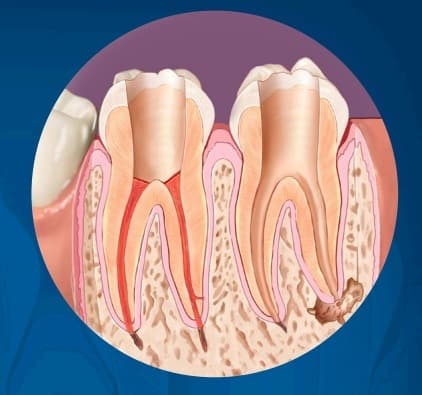
Milk teeth shape jaw, muscle and permanent tooth development. If one is lost too early, a space maintainer can protect the gap for the adult tooth to come.

What should I do if my child's tooth is broken? It is okay to just pull out the broken milk teeth and wait for the permanent teeth to grow? In fact, milk teeth are especially important for the development of teeth, jaw bones and muscles for children. When milk teeth have problems, we hope to try our best to save and retain the teeth for the children. However, when the tooth decay is too serious and the milk tooth has to be pulled out, or the milk tooth falls off due to an accident, it is necessary to consider a solution to prevent the problem from worsening, such as making a space maintainer.

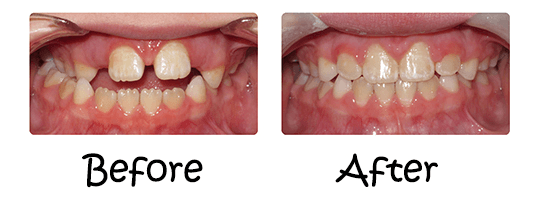
The primary tooth can maintain the space for future permanent tooth growth. When the primary tooth is lost too early, the position of the surrounding teeth will slowly change. When the growth of the permanent teeth is hindered by lack of space, it may lead to misalignment or obstruction of permanent teeth, which increases the chance of getting malalignment of permanent teeth. The space maintainer is the savior to avoid this problem. It mainly maintains the space after tooth removal, and guides the permanent teeth that grow afterwards into place. If the space is not maintained, the growth and movement of the teeth will be difficult to predict and control.
Why Hong Kong Children's Primary Teeth Matter: Don't Overlook Early Dental Care

There are two types of children's dental space maintainers, removable and fixed. Removable space maintainers are generally applied to children who have lost multiple milk teeth. Similar to removable dentures, in addition to maintaining space, they can also replace the extracted teeth, helping children chew food or maintain the appearance. Fixed space maintainers are more common, used to maintain one or two missing teeth, usually fixed on the teeth lateral to the missing teeth.

Although the space maintainer has its effect, its size is relatively large to the oral cavity of young children, so they may feel discomfort when wearing it. On the other hand, the device in the mouth could be loosen or bend by pressing with the tongue or fingers, and the food will also easily get stuck on the device. Special care should be taken when performing cleaning. Children should try to avoid chewing hard foods or sticky foods such as gummies because this may cause the maintainer to fall off.
Why Hong Kong Children's Primary Teeth Matter: Don't Overlook Early Dental Care

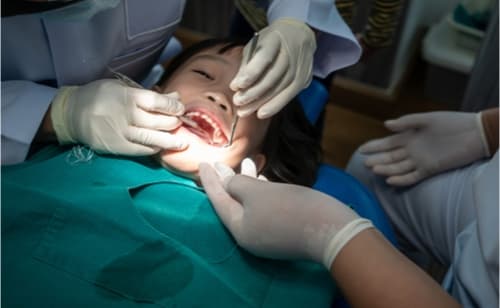
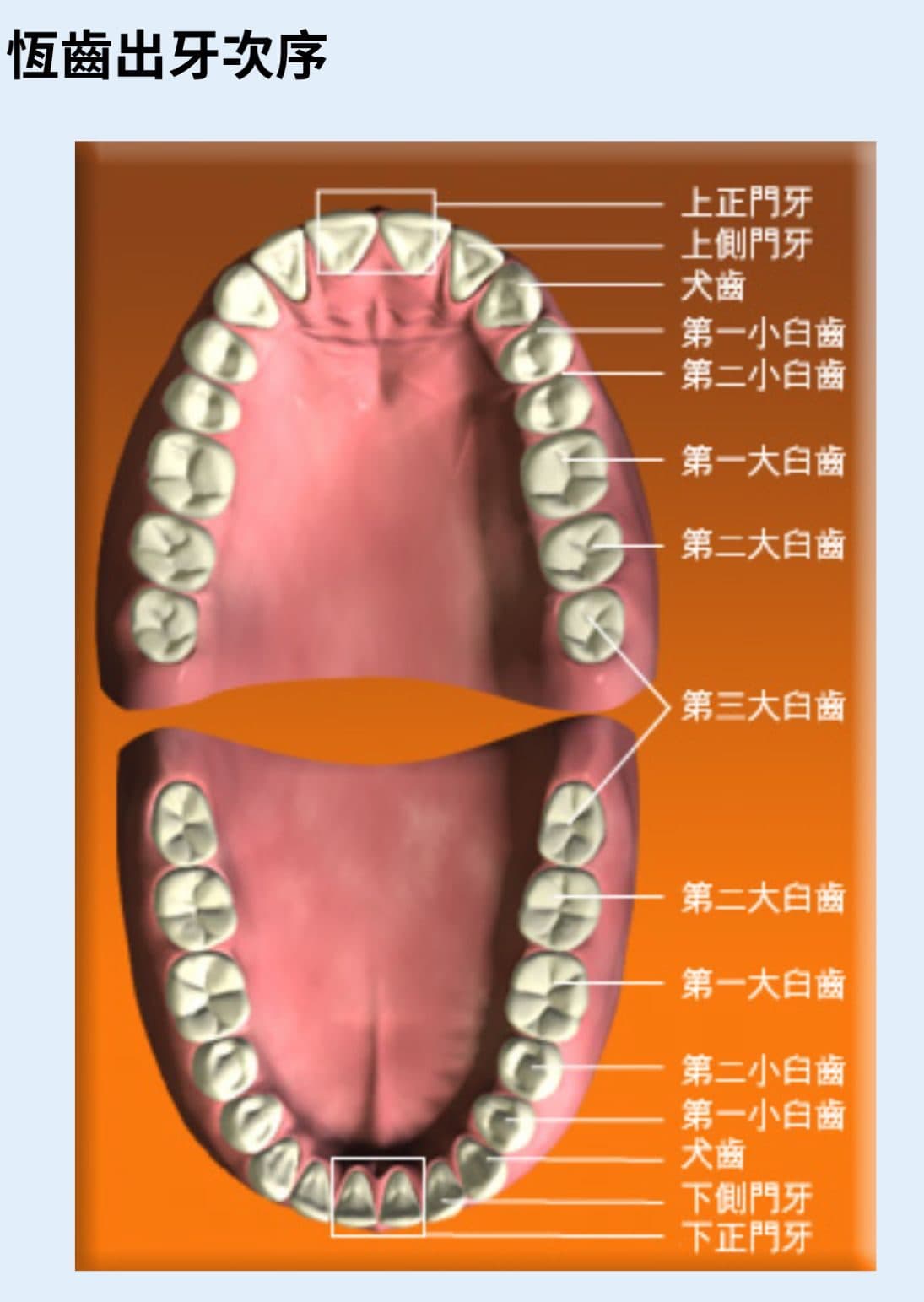
Children in the mixed dentition period have many changes in their teeth, and they should check their teeth regularly. If a space maintainer is installed, then it is recommended to follow the dentist's instructions and cooperate with a more intensive follow-up inspection. However, it should be noted that the space maintainer is a measure to help the permanent teeth grow smoothly. If the occlusion and alignment of the permanent teeth and the coordination between the teeth and facial muscles are poor in the future, there is still a need for orthodontic treatment.

#brokenmilkteeth #permanentteeth #Removablespacemaintainers #fixedspacemaintainers
Article Info

First published: 26 June 2020

Last reviewed: June 2026

Share

FAQ

Frequently Asked Questions

  • What happens if my child loses a milk tooth too early?

    When a milk tooth is lost prematurely, the surrounding teeth may shift into the empty space. This can block the permanent tooth from erupting properly, leading to crowding or misalignment. A space maintainer helps prevent this by holding the gap open until the permanent tooth is ready to come through.

  • How much does a space maintainer cost?

    The cost of a space maintainer depends on whether it is fixed or removable, and how many teeth need to be replaced. Pricing varies based on clinical assessment — WhatsApp us to arrange a consultation and receive a personalised quote for your child's case.

  • What is the difference between fixed and removable space maintainers?

    Fixed space maintainers are cemented onto teeth next to the gap and are used for one or two missing teeth. Removable maintainers are like small dentures, suitable when multiple milk teeth are lost. They can also help with chewing and appearance whilst maintaining space for permanent teeth.

  • Will my child find the space maintainer uncomfortable?

    Some children feel initial discomfort because the device is relatively large in a small mouth. The maintainer may also loosen if pressed with the tongue or fingers. Most children adapt within a few days, and regular check-ups help ensure it stays in place and functions properly.

  • Can my child eat normally with a space maintainer?

    Yes, but avoid hard or sticky foods such as gummies, toffees, or ice, as these can dislodge or damage the maintainer. Soft foods and careful chewing are recommended. Thorough brushing around the device is essential to prevent food from getting stuck and causing decay.

  • Does a space maintainer guarantee my child won't need braces later?

    A space maintainer helps permanent teeth erupt in the correct position, but it does not guarantee perfect alignment. If the bite or coordination between teeth and facial muscles is poor once all permanent teeth have come through, orthodontic treatment may still be needed.

  • How often should my child see the dentist with a space maintainer?

    Children in the mixed dentition stage experience many changes, so regular dental visits are important. If your child has a space maintainer, more frequent follow-ups are recommended to monitor the device and ensure the permanent teeth are developing as expected. Follow your dentist's specific schedule.

Still wondering about something? Our team is happy to chat.

Reminder: You have the right to choose a Hong Kong dentist based on your individual needs. We recommend referring to the list of registered dentists published on the official website of the Dental Council of Hong Kong to make a choice best suited to your personal needs. The above content is intended to give you a brief introduction to the nature and effects of the relevant dental procedures, so that you can make informed decisions when choosing a dentist and related treatment options. All treatments have advantages and disadvantages — the key is that you must have a basic understanding of different treatments and procedures and be aware of the associated risks. The above content does not represent the professional opinion or views of any dentist or dental institution. For the sake of your health, please consult your family dentist for formal medical advice.

This article is compiled by the Public Education Team of Home Dental and has been reviewed and approved by the Content Review Committee of Home Dental. The Committee comprises members of our Board of Directors, legal advisors, and relevant professionals, and is responsible for vetting all externally published health education content to ensure it is professional, accurate, relevant to the local context, and regularly updated to meet Hong Kong dental service standards.

This content is originally produced by Home Dental, all rights reserved. Unauthorized reproduction, modification, or publication is prohibited. Violators will bear legal responsibility. For citation or partnership inquiries, please contact our center for written permission.

Paediatric Dentistry

Want to know more about Paediatric Dentistry?

31 general & specialist dentists · Licensed daycare procedure centre