What will happen after I start the traditional fixed orthodontic treatment?
The first week of orthodontics is the most challenging. Your teeth and lips will be sore for about 1-2 weeks (everyone’s situation is different). The force of moving your teeth may make your teeth not strong enough to chew food or feel sore, please don’t worry, this is a normal reaction.
After a week, your mouth will gradually get used to it. Generally, there will be tooth pain during the first few days of treatment started and one or two days after each adjustment. According to our experience, eating soft food will help.
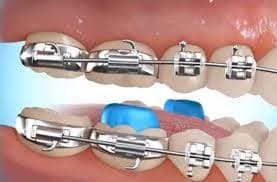
It is normal if you feel that your teeth are slightly mobile, as this will help your teeth move according to the treatment plan. Anti-bite devices sometimes stick to the surface of the occlusal surfaces of teeth so that the teeth can be moved to the desired position without interference.
If you have anti-bite devices on your teeth (suitable for most patients), you can only bite on the anti-bite device. Your other teeth will not touch the bite until after about 2-4 months of treatment. So, you have to get used to eating with the anti-bite device. When the anti-bite device is installed (applicable to most patients), you may feel uncomfortable in the pastoral position.
About the fixed orthodontic device (braces) falling off
The cement that holds the braces in place will be fully functional within the first 24-48 hours, so please chew carefully during the first two days. Sometimes, parts of the braces may become loose or damaged. The dentist will arrange repairs according to different situations. Most of the time, they may not need to be repaired immediately. You can save all damaged/falling parts first.
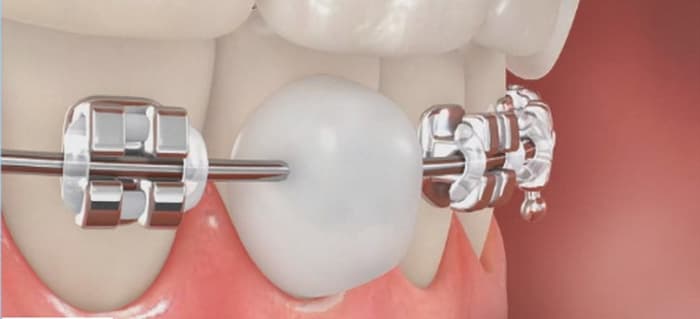
It is best if all braces are firmly fixed to your teeth, but sometimes it is hard to avoid bracket popping out of your teeth. Sometimes it will pop out of your mouth, or sometimes it stays on the metal wire. If the dropped bracket does not hurt you or the end of the wire does not pop out, try to keep it in your mouth until you make the next adjustment.
Patients sometimes worry too much, but this is very common in traditional fixed orthodontic treatments. The reasons for the braces or the metal wire falling off include deep bite, short teeth, hard eating habits, external trauma or bad habits, such as: teeth grinding. As the treatment progresses and your bite is corrected, this condition will become less and less frequent.
Use wax to help relieve discomfort
The wire may loosen or pop out and rub the gums, which can cause pain (such as scratching). If this happens, you can use the wax provided by your dentist and apply it to any area that bothers you. But sometimes, the patient's wire may start to penetrate the inside of the mouth. If you encounter this situation, you can call the clinic to arrange a time for review and adjustment as soon as possible to solve related problems.
Avoid eating the following foods
You should avoid eating hard, sticky or too sweet foods, as this may cause the braces to fall off. If it is tough food, it is better to cut it into small pieces before eating.
Brush and floss your teeth
-You need to brush your teeth after each meal and before going to bed.
-If you cannot brush your teeth after eating, please at least rinse your mouth with clean water.
-If you are using the orthodontic rubber ring, you need to take it off before brushing your teeth and put it on after brushing your teeth.
-When brushing your teeth, you must brush the surrounding and nearby tooth surfaces of the braces, and the interdental surfaces should be cleaned with an interdental brush or dental floss.
-After brushing your teeth, please check if there is any food residue or dental plaque left. If so, please continue cleaning.
You need to keep your teeth clean to ensure that all plaque on your teeth does not harden and turn into tartar. When dental plaque and tartar are blocked, the speed of tooth movement will slow down! So if your teeth are clean, your subsequent adjustments will become easier!
#dentalcategories #orthodontics #oral&maxillofacialsurgery #periodontology #endodontics #paediatricdentistry #prosthodontics #fmilydentistry #communitydentistry