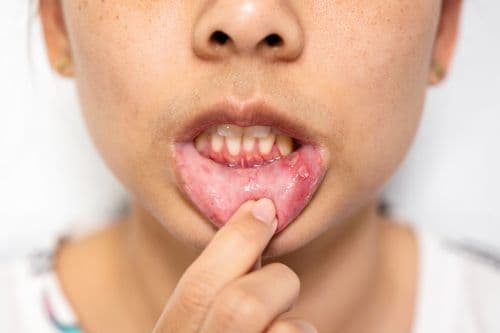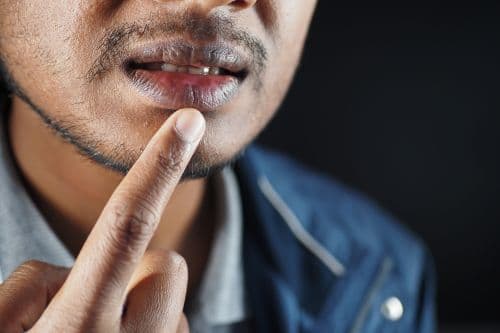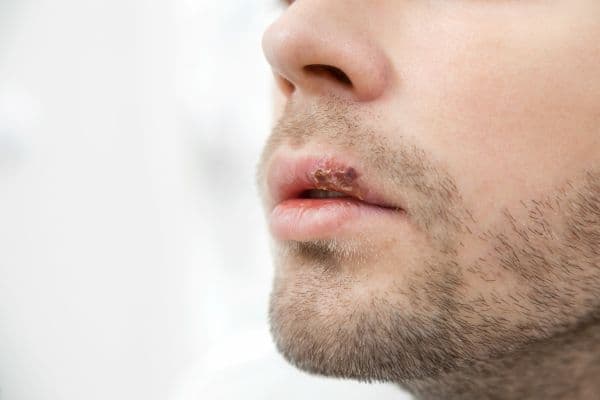
😣 Cracked Mouth Corners Are Not Just “Dry Lips” — It May Be Angular Cheilitis
Have you experienced any of the following?
- The corners of your mouth keep splitting open
- It hurts when you open your mouth to eat or speak
- Redness, peeling, or even slight fluid discharge at the mouth corners
- Lip balm helps briefly, but the problem returns again within weeks
- It became more frequent during mask-wearing periods
Many people in Hong Kong assume:
“It’s just dry weather.”
“It’s internal heat.”
“I’ll apply Vaseline and it will go away.”
But if the condition keeps recurring, it may be a very common oral inflammatory condition: Angular cheilitis
Angular cheilitis is not usually dangerous, but it is extremely frustrating because:
- It affects appearance and confidence
- It causes pain during daily activities
- It often becomes chronic and recurrent
Most importantly, angular cheilitis almost always has an underlying cause. Cream alone is often only a temporary fix.
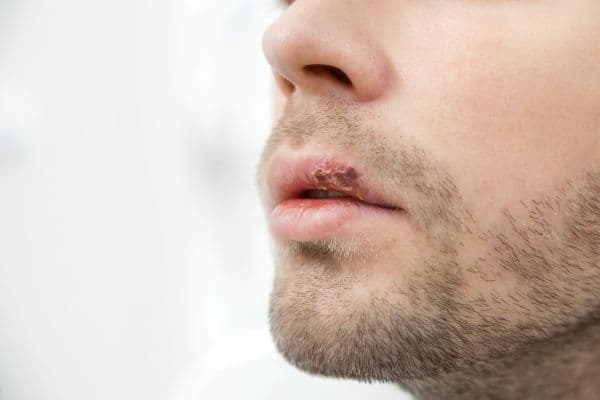
🦠 What Is Angular Cheilitis? A Simple Dental Explanation
Angular cheilitis refers to inflammation at the corners of the mouth, often involving:
- Cracks or fissures
- Redness and swelling
- Scaling or crusting
- Fungal or bacterial infection
The mouth corners are a unique anatomical area:
- Frequently moist due to saliva
- Thin and easily damaged skin
- Constant movement and stretching during speech and eating
Once the skin barrier breaks down, microbes such as Candida yeast or bacteria can invade and trigger inflammation.
🔍 The 7 Most Common Causes of Angular Cheilitis (Especially in Hong Kong Patients)
Below are the most frequent clinical causes dentists see.
1) Saliva Irritation: Chronic Moisture at the Mouth Corners (Most Common)
Many cases are not caused by dryness, but by excessive moisture.
Common triggers include:
- Drooling during sleep
- Habitual lip licking (especially in children)
- Mask-wearing creating a humid environment
- Poor lip closure causing saliva pooling
- Mouth breathing
Saliva contains digestive enzymes. Constant exposure irritates the skin, causing cracking. Once the skin splits, inflammation and infection follow easily.
2) Candida (Yeast) Infection: The Main Reason It Keeps Coming Back
If the corners of your mouth show:
- Persistent redness
- White discharge or soft crusting
- No improvement with lip balm
- Frequent recurrence
Dentists often suspect Candida infection. Candida naturally exists in the oral cavity, but it overgrows when conditions become favorable, such as:
- Moist environments
- Reduced immunity
- Poor denture hygiene
Angular cheilitis is therefore more common in:
- Older adults
- Denture wearers
- Patients with diabetes
- People who recently used antibiotics
3) Bacterial Infection: When Cracks Become an Entry Point
Once the skin barrier is broken, bacteria (such as Staphylococcus) may invade. Signs may include:
- Yellow crusting
- Increased pain
- Worsening inflammation spreading outward
In these cases, dentists may prescribe antibacterial ointment.
4) Dentures and Reduced Bite Height: Mouth Corners “Fold In” and Trap Moisture
Angular cheilitis is very common in denture patients. Over time, worn dentures may reduce vertical bite height, leading to:
- Deep folds at the mouth corners
- Saliva pooling inside the creases
- Persistent fungal growth
This creates a perfect environment for infection. In such cases, topical creams alone are not enough. Bite adjustment or denture replacement may be necessary.
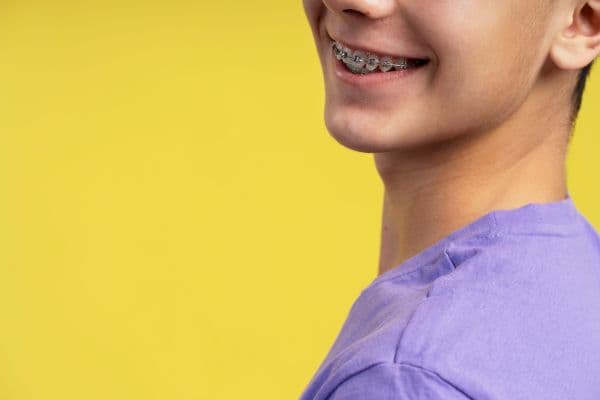
5) Orthodontic Treatment and Increased Corner Irritation
In recent years, more adults in Hong Kong wear braces or aligners.
During orthodontic treatment, angular cheilitis may occur due to:
- Changes in lip tension
- Increased friction at the mouth corners
- Altered moisture balance
Management may include:
- Barrier protection ointment
- Avoiding licking habits
- Checking for fungal infection if recurrent
6) Nutritional Deficiency: Vitamin B and Iron Deficiency
If angular cheilitis occurs alongside:
- Fatigue
- Pale complexion
- Frequent mouth ulcers
- Recurrent cracking
Dentists may consider nutritional causes such as:
- Vitamin B2 deficiency
- Vitamin B12 deficiency
- Iron-deficiency anemia
Busy lifestyles, restrictive dieting, vegetarian diets, or chronic low intake can increase risk.
In some cases, blood testing is recommended.
7) Skin Sensitivity or Eczema Predisposition
Some patients have underlying conditions such as:
- Atopic dermatitis
- Chronic lip inflammation
- Sensitivity to toothpaste or lip products
Triggers may include:
- Certain toothpaste ingredients
- Spicy foods
- Cosmetic allergens
These cases require avoiding irritants and sometimes prescription anti-inflammatory treatment.
🧠 Common Misconceptions vs Dental Reality
Misconception 1: Mouth corner cracks are always caused by dry weather
✅ Reality: Many cases are due to moisture + Candida infection.
Misconception 2: Lip balm will solve it
✅ Reality: Lip balm only moisturizes. Infection requires antifungal treatment.
Misconception 3: Angular cheilitis is minor and can be ignored
✅ Reality: Recurrence often signals dentures, nutritional deficiency, or oral infection that needs addressing.
🏥 How Dentists Treat Angular Cheilitis (Step-by-Step)
Treatment depends on the underlying cause, usually in three layers:
Step 1: Control infection
- Antifungal ointment (Candida-related)
- Antibacterial ointment (bacterial involvement)
Step 2: Repair the skin barrier
- Petroleum jelly or barrier creams
- Avoid licking the corners
Step 3: Address the root cause
- Adjust or renew dentures if bite height is reduced
- Reduce saliva pooling habits
- Supplement vitamin B or iron if deficient (with testing when needed)
When Should You Seek Professional Help?
You should not rely only on home creams if:
- It does not improve after 2 weeks
- It recurs every 1–2 months
- Cracks become deeper or bleed
- You have diabetes, dry mouth, or immune issues
- It started after denture use
Cracked mouth corners are not always “just dryness.” Angular cheilitis often reflects oral moisture imbalance, fungal infection, denture-related changes, or nutritional deficiency.
If it keeps returning despite creams, a simple oral evaluation can identify the true cause and help resolve it properly—rather than repeatedly treating symptoms.